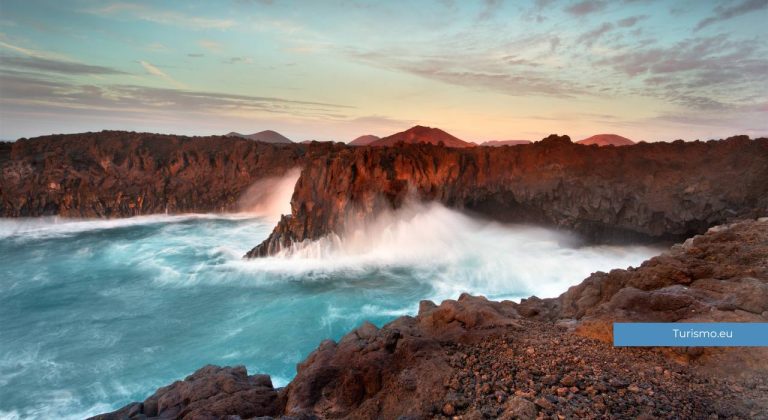
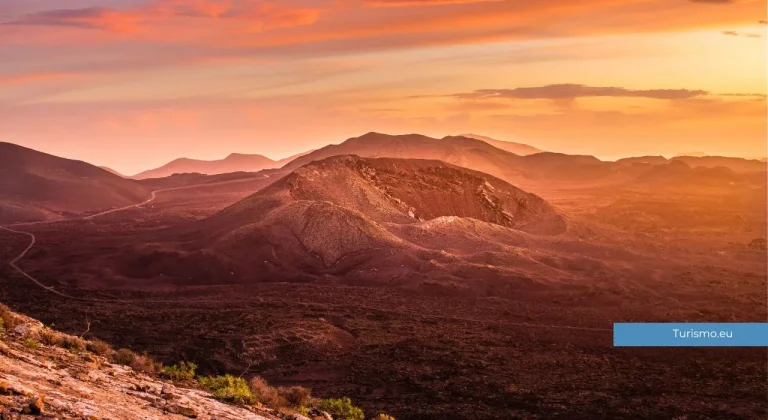
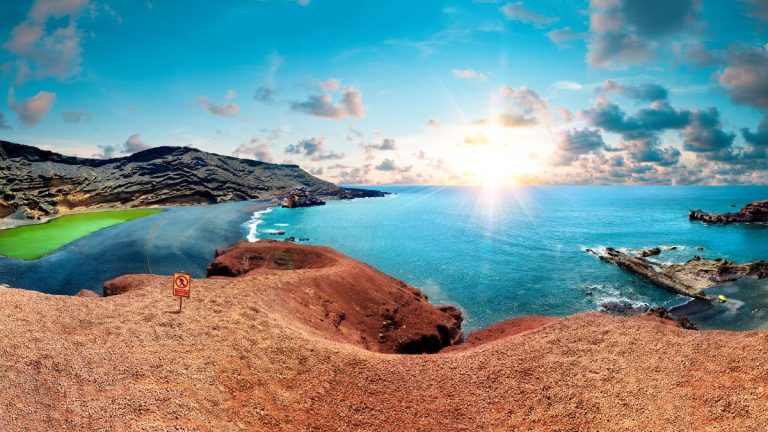
El Hierro is the most westerly island in the Canary Islands and also one of the least known. Here the landscape is dominated by nature: volcanic cliffs, forests shaped by the wind and small villages overlooking the ocean.
There are no large cities or long tourist beaches. El Hierro is an island to explore by following the panoramic roads that connect its different areas, stopping at the miradors and along the coast.
It is a destination suited to those looking for tranquillity, nature and a simpler pace of life.
The main areas of El Hierro
Valverde and the north of the island
Valverde is the small capital of the island, situated on a plateau overlooking the ocean.
Unlike other cities in the Canary Islands, it is not on the coast but inland. The centre is simple and quiet, with white houses and glimpses of the Atlantic.
Not far away are Tamaduste and Puerto de la Estaca, the island’s main port.
The centre of the island and the laurisilva forests
Heading up towards the centre of the island the landscape changes completely.
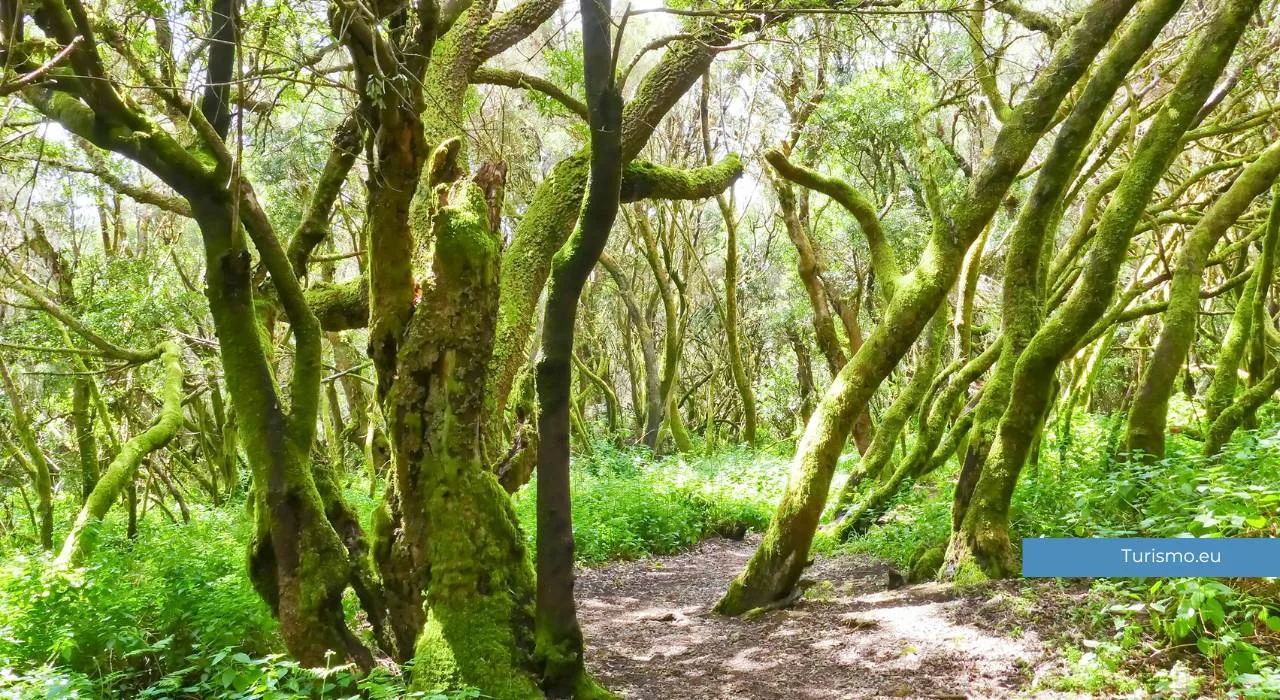
Here you find laurisilva forests and Canarian pines, often wrapped in clouds brought by the trade winds. The environment is cooler and greener than the coastal areas.
Among the most distinctive places is the Bailadero de las Brujas, a plateau often enveloped in mist and wind, where the landscape takes on a suspended atmosphere.
The east coast and the miradors
The eastern coastline is characterised by high cliffs and very open views over the ocean.
One of the most spectacular points is the Mirador de Isora, overlooking an impressive drop that descends to the sea.
A little further north stands the Roque de la Bonanza, a volcanic rock formation that rises from the ocean and has become one of the symbols of the island.
The south and La Restinga
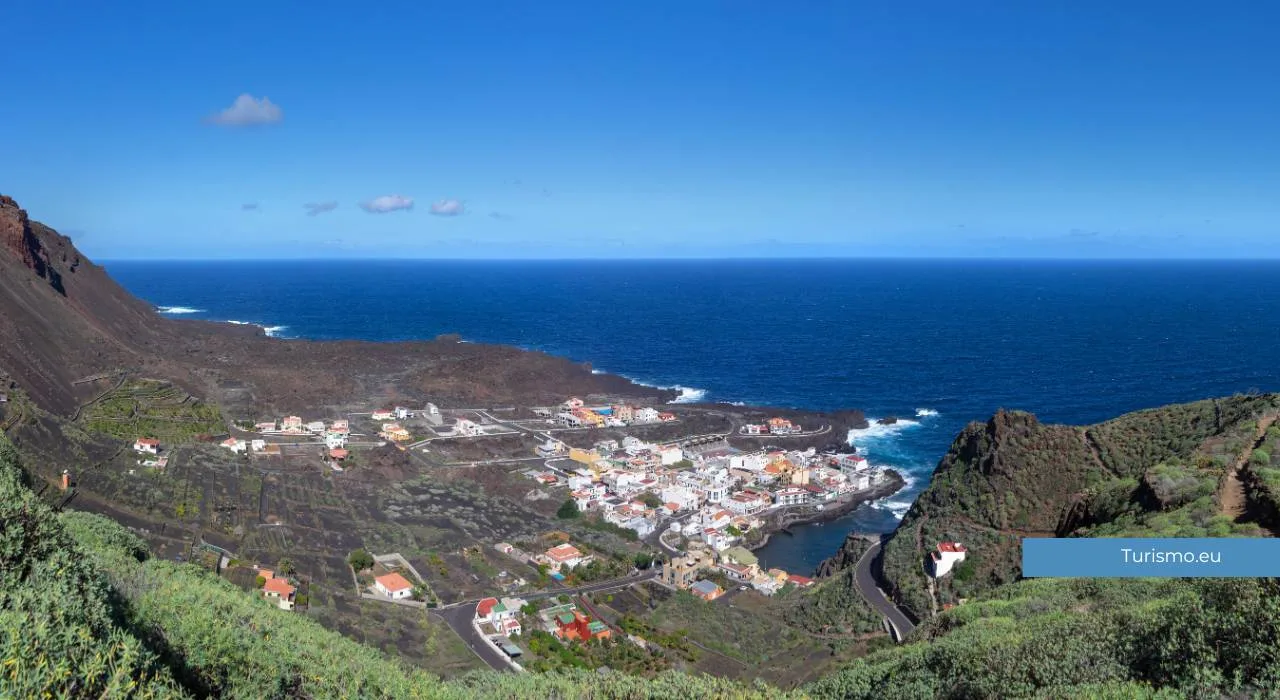
The south of the island has a more arid and luminous character.
The small village of La Restinga overlooks a natural bay and is known for its clear waters and volcanic seabed, highly valued by diving enthusiasts.
Not far away is Tacorón, an area of natural rock pools very popular with the island’s inhabitants.
The west: El Sabinar and the Faro de Orchilla
The western part of the island is one of the wildest.
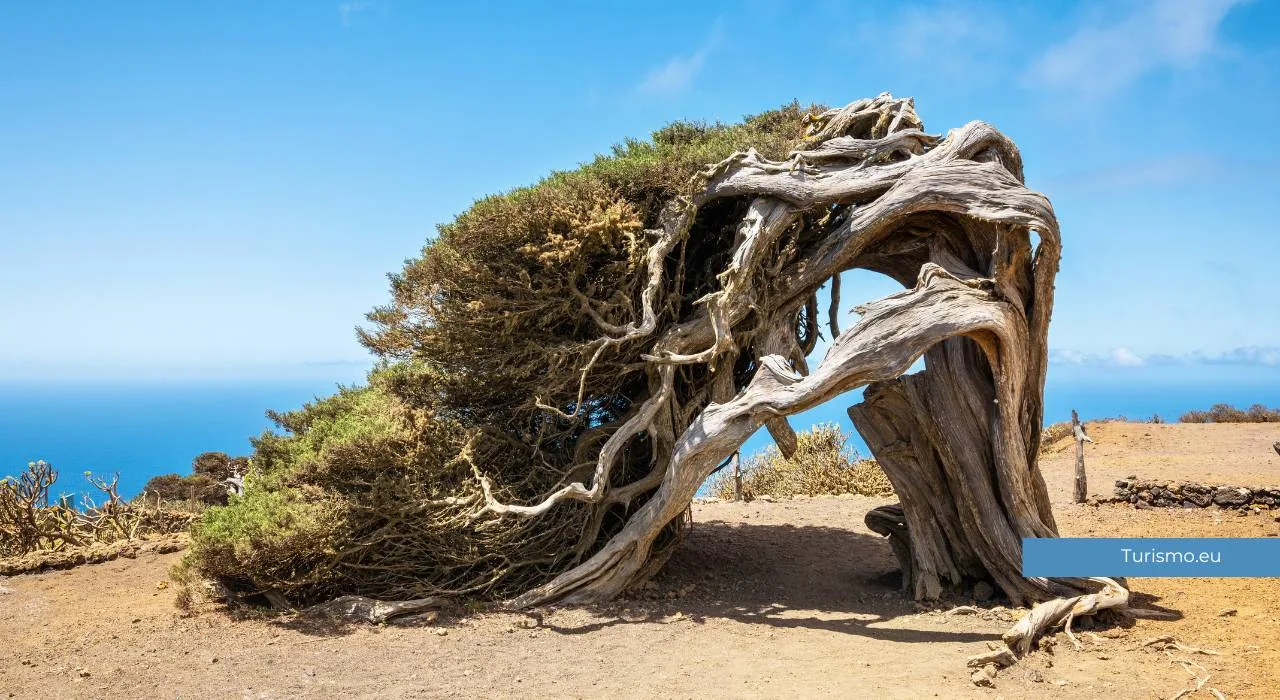
Here you find El Sabinar, an area where junipers are bent by the wind into spectacular shapes.
Continuing towards the far west you reach the Faro de Orchilla, an isolated spot overlooking the ocean, considered for centuries the reference point of the zero meridian.
The valley of El Golfo
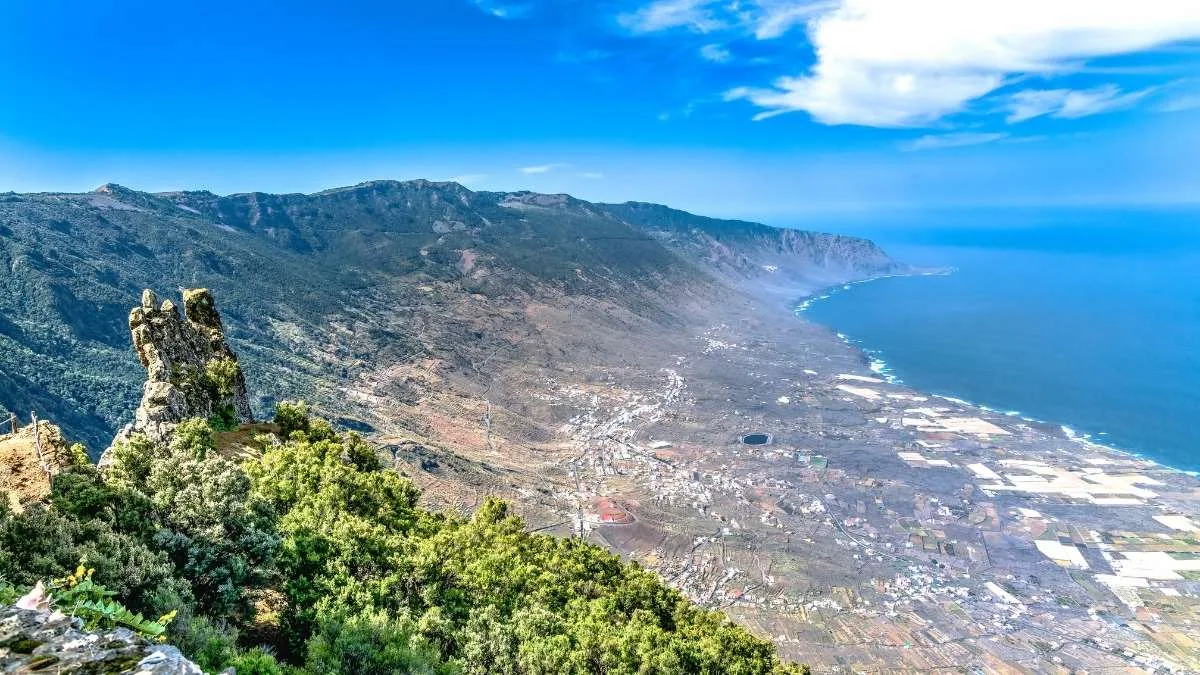
The great valley of El Golfo is one of the most impressive landscapes on El Hierro.
It is an enormous natural amphitheatre formed by the collapse of an ancient volcano. The main centre is La Frontera, surrounded by vineyards and cultivated land.
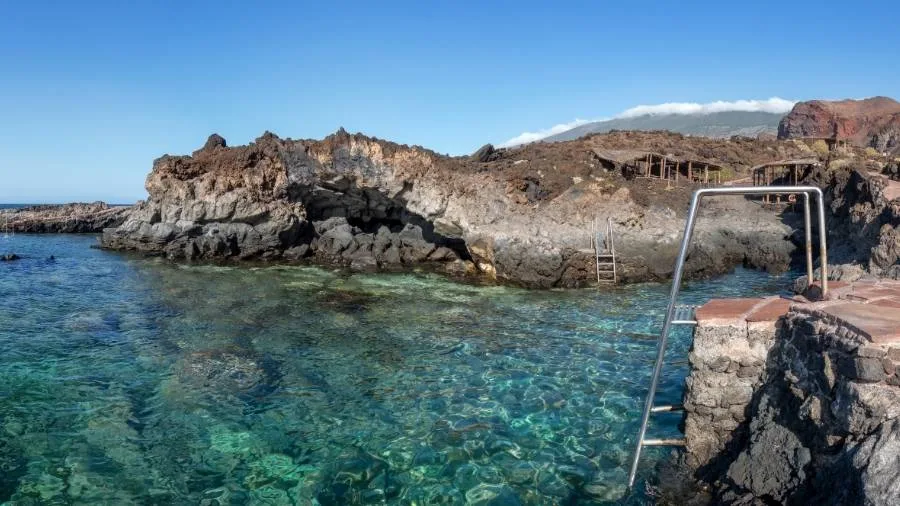
Along the coast are some of the most beautiful natural rock pools on the island, including Charco Azul.
The natural rock pools of El Hierro
Unlike other islands in the Canary Islands, El Hierro is not known for its beaches but for its natural rock pools.
Among the most interesting are Charco Azul, Tamaduste and Tacorón. They are ideal spots for swimming in a natural and sheltered environment.
When to go to El Hierro
El Hierro can be visited throughout the year thanks to the mild Canary Islands climate.
Temperatures are generally pleasant, but the climate can vary between different parts of the island. The north and centre are cooler and more humid, while the south is drier and sunnier.

 CASA LIVIA POOL & SUNSET
 DUNASLIVIA