Gran Canaria is one of the most surprising islands in the Canary Islands. Despite its relatively modest size, the landscape changes quickly from the sandy dunes of the south to the mountains of the interior, through to the traditional villages that dot the valleys.
It is precisely this variety that leads the island to be described as a small continent. Within just a few kilometres you can cross sand deserts, pine forests, ocean cliffs and historic town centres rich in history.
Gran Canaria is therefore a destination that combines sea, nature and culture, offering many possibilities for exploration.
The main areas of Gran Canaria
The dunes of Maspalomas
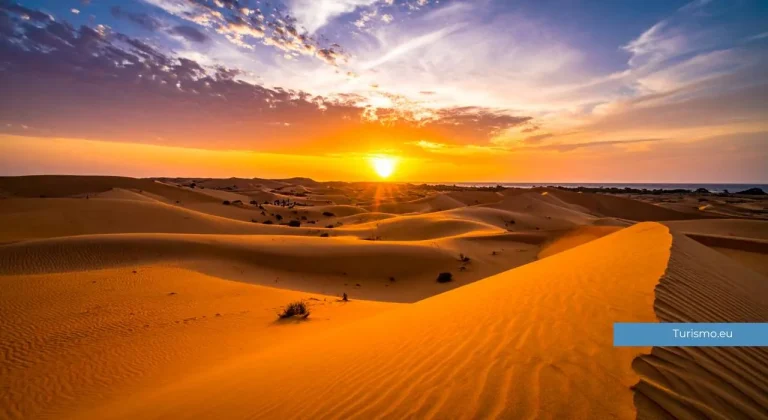
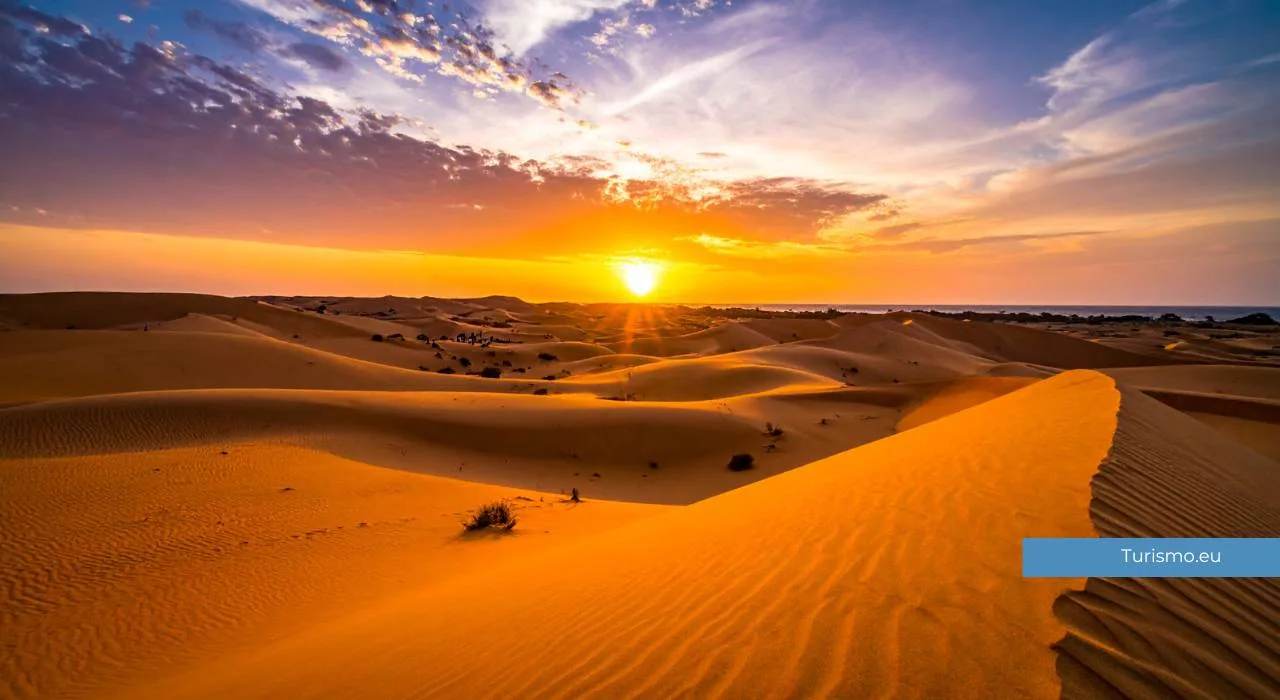
In the south of the island lies one of the most iconic landscapes of Gran Canaria: the dunes of Maspalomas.
This is a vast area of golden sand stretching between the ocean and the lagoon of the Charca de Maspalomas. Walking among the dunes, especially at sunset, is one of the most evocative experiences on the island.
This area is also one of the most tourist-oriented, with resorts such as Maspalomas, Playa del Inglés and Meloneras.
Las Palmas and the Vegueta quarter
The island’s capital, Las Palmas de Gran Canaria, is a lively city facing the ocean.
The historic heart is found in the Vegueta quarter, where colonial squares, historic buildings and the Cathedral of Santa Ana can be found. Here you can still breathe the atmosphere of the Canary Islands of the past.
Not far away is Playa de Las Canteras, a long urban beach considered one of the finest in the archipelago.
The mountainous interior
Moving away from the coast reveals a completely different Gran Canaria.
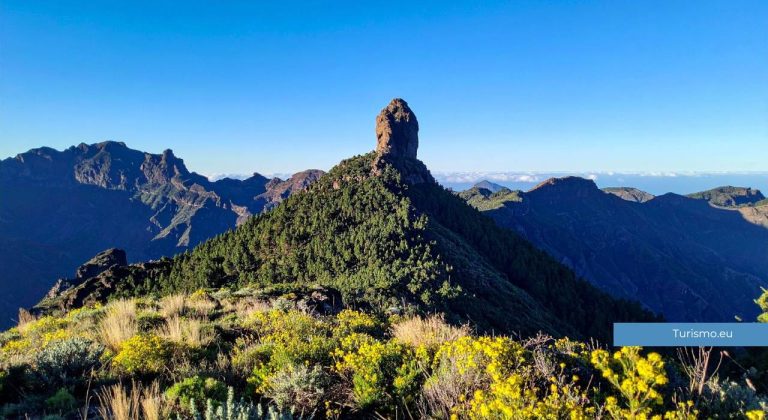
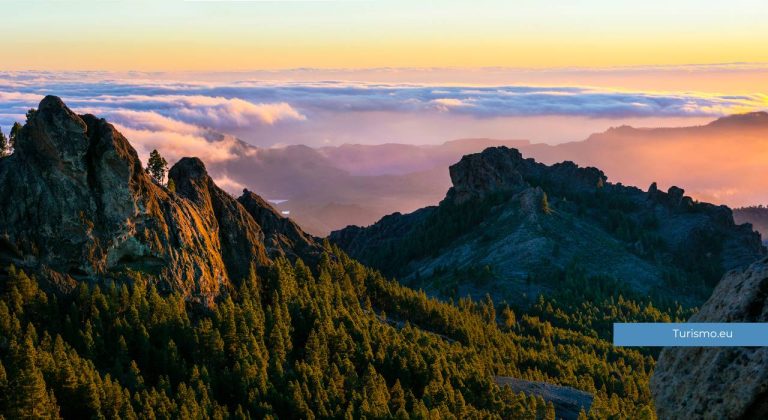
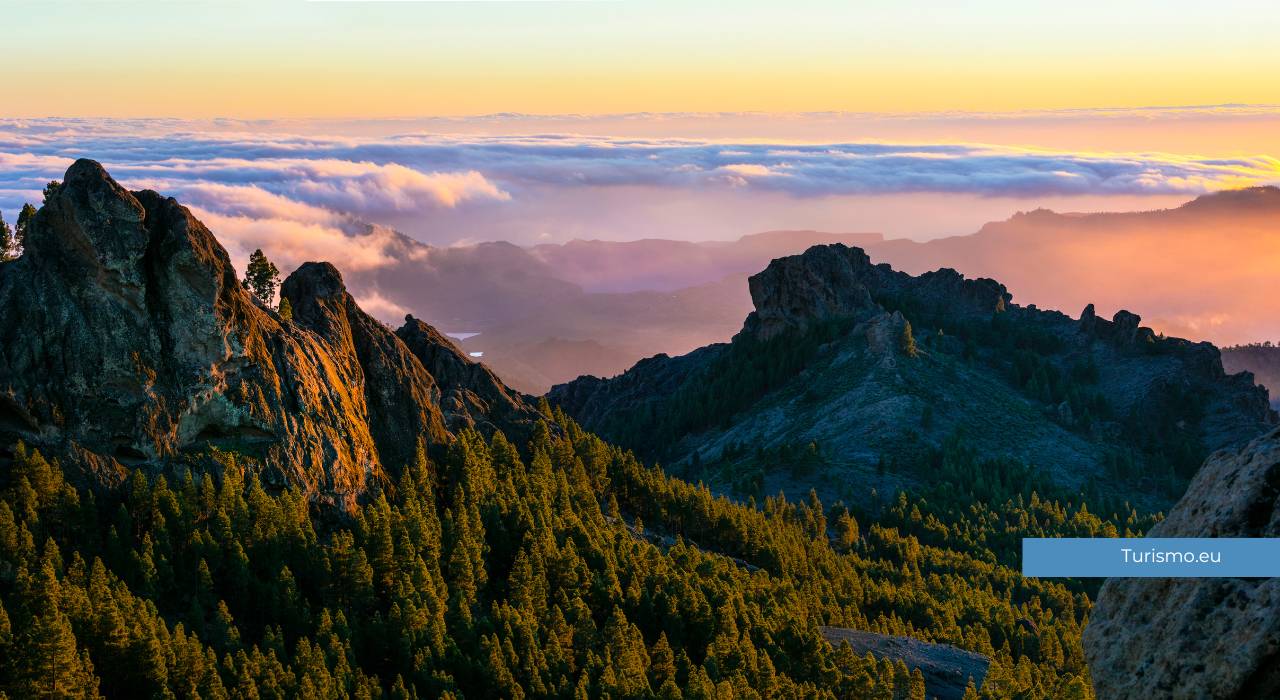
The interior of the island is made up of mountains, valleys and small traditional villages. Among the most spectacular places are Roque Nublo, one of the symbols of the island, Pico de las Nieves, the highest panoramic point, and Tejeda, one of the most beautiful villages in the Canary Islands.
This part of the island is ideal for those who love walking in nature and discovering more unspoilt landscapes.
The villages of the interior
Gran Canaria also preserves small towns rich in history.
Among the most interesting are Teror, famous for the Basilica of the Virgen del Pino and its wooden balconies, and Arucas, home to the imposing church of San Juan Bautista built in volcanic stone.
These villages reveal a quieter side of the island, far from the tourist areas.
The cliffs and the west coast
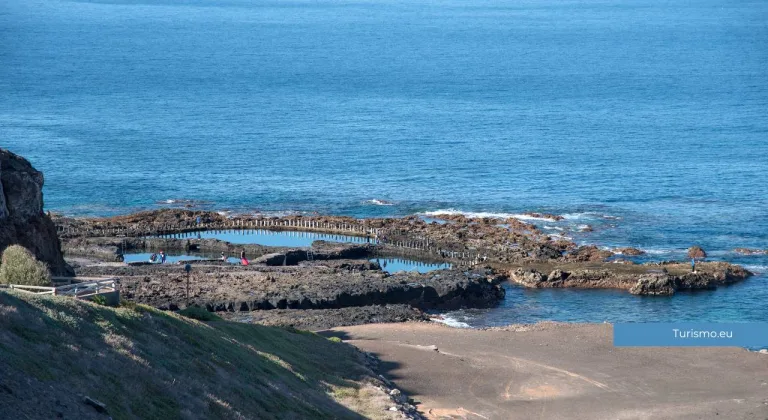
The western coastline of Gran Canaria is one of the wildest.
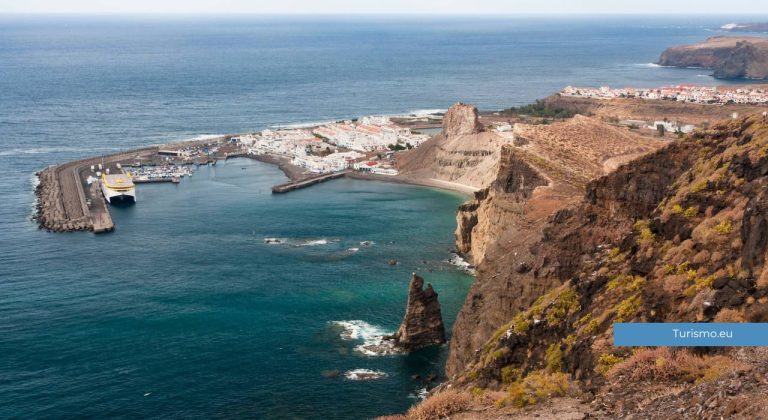
Here you find spectacular landscapes such as Puerto de Mogán, often called the island’s little Venice, and Los Azulejos, a rock formation of surprising colours.
This part of the island is less urbanised and offers very striking views over the ocean.
The beaches of Gran Canaria
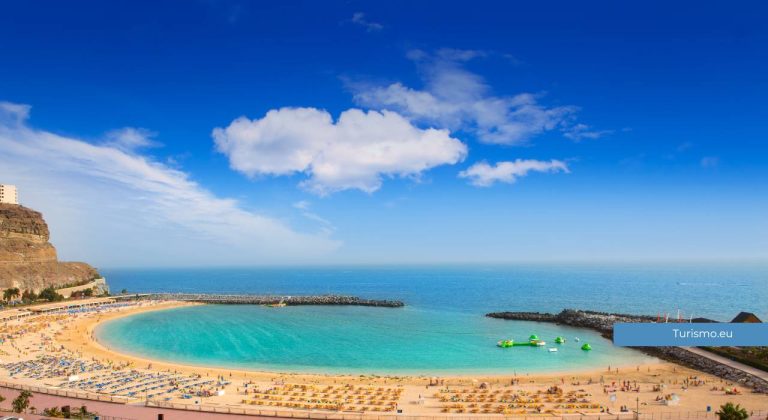
Gran Canaria offers beaches that are very different from one another.
In the south there are long, sandy and very sunny beaches, while other parts of the island have small coves or rocky shores.
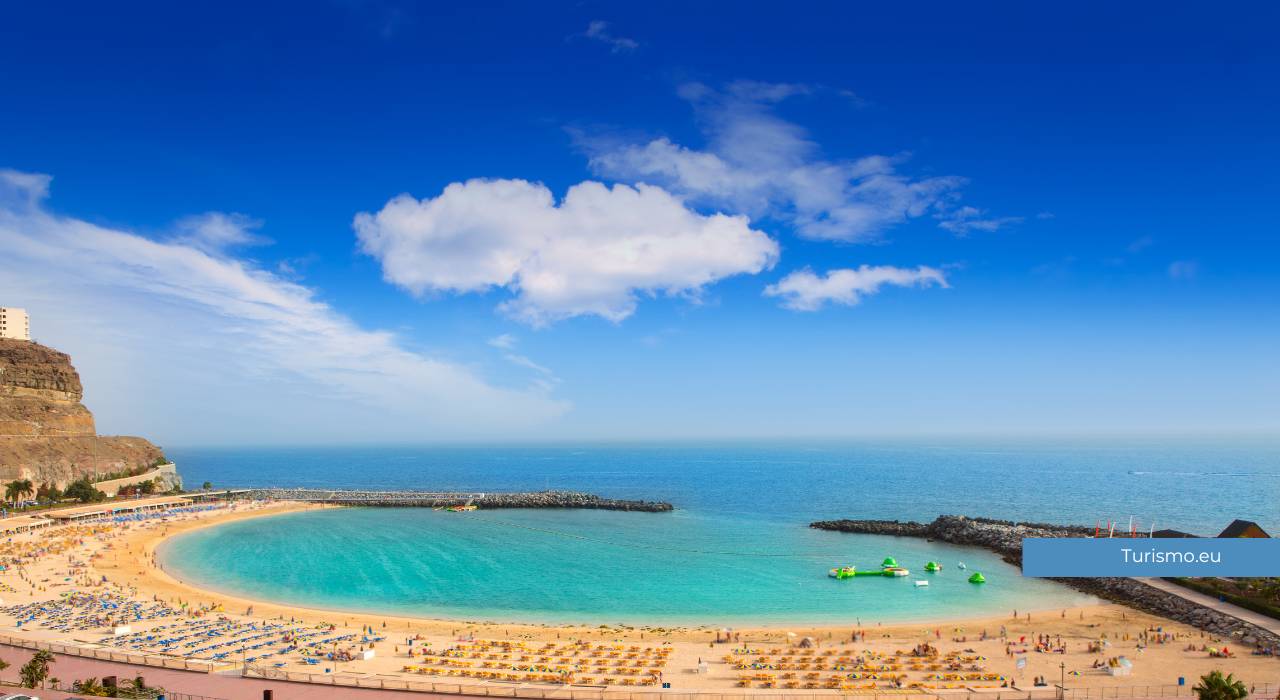
Among the best known are Playa de Maspalomas, Playa de Las Canteras and Playa de Amadores.
When to go to Gran Canaria
Gran Canaria can be visited at any time of year thanks to the mild Canary Islands climate.
Temperatures generally stay between 20 and 28 degrees, with many sunny days especially in the south of the island.
The north can be cooler and cloudier, while the interior is often more windy.
The south is particularly recommended in winter.
Itineraries for visiting Gran Canaria
To explore the island at a comfortable pace, 4 or 5 days are ideal, though a week allows you to visit the mountainous interior and the traditional villages as well.


 CASA LIVIA POOL & SUNSET


 DUNASLIVIA