Tenerife is the largest and most varied of the Canary Islands. The great Teide volcano dominates the landscape from the interior of the island, while along the coasts historic villages, cliffs and beaches alternate in succession.
The north is greener and more humid, with forests and cities of colonial character. The south is more arid and sunny, with long coastlines facing the ocean. Between these two worlds lies a surprisingly varied territory.
The main areas of Tenerife
Teide National Park
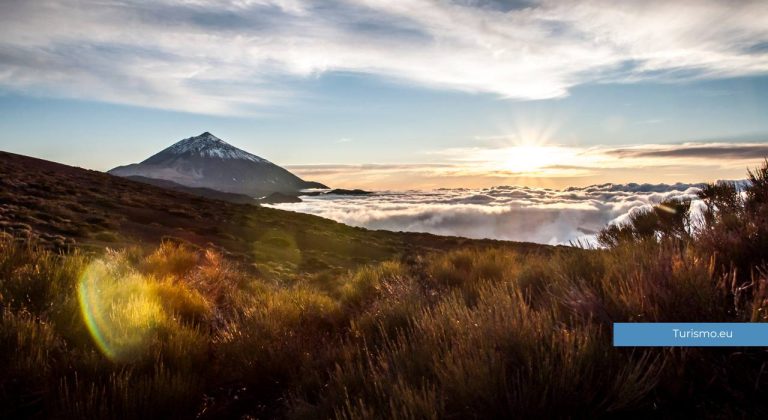
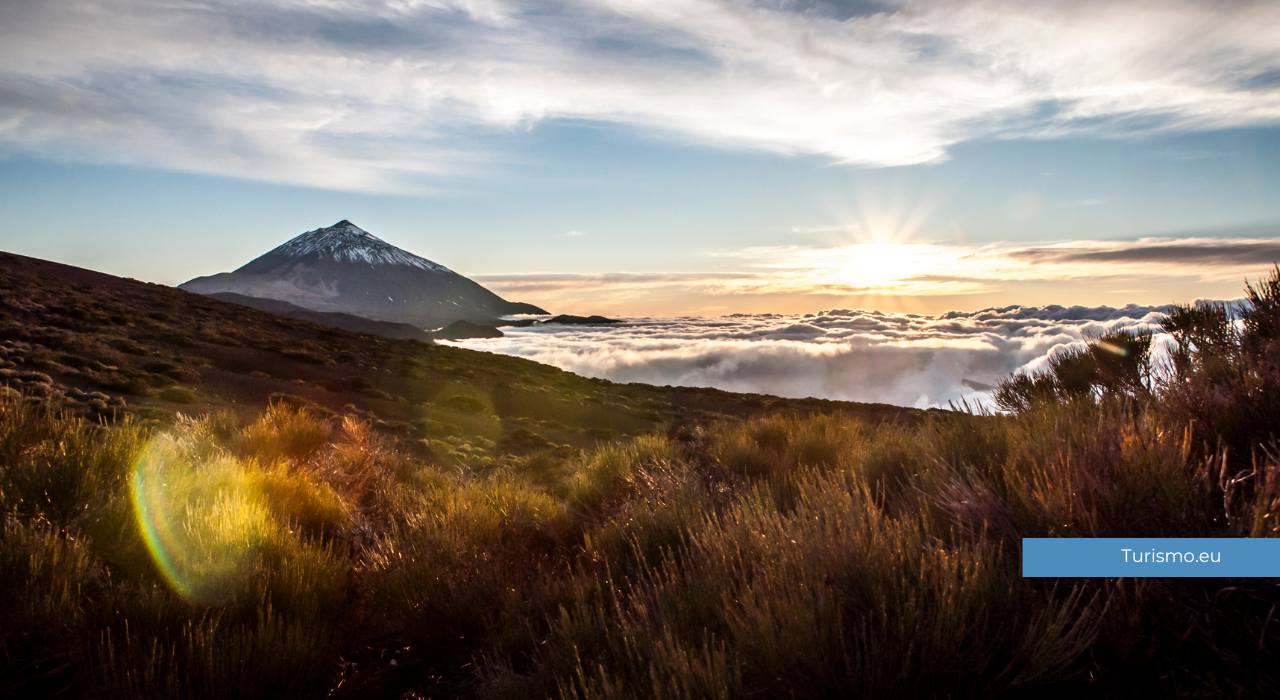
At the centre of the island lies the Teide National Park, one of the most spectacular volcanic landscapes in Europe.
The Teide volcano, at 3,715 metres, is the highest mountain in Spain. Around it stretches a volcanic plateau of lava, craters and rock formations that recall a lunar landscape.
Among the most photographed spots are the Roques de García, while the cable car allows you to ascend to high altitude and observe the island from a completely different vantage point.
The green north of Tenerife
The north of the island is more humid and rich in vegetation. Here you will find some of the most fascinating towns on Tenerife.
Puerto de la Cruz is one of the island’s historic resorts, overlooking the ocean and surrounded by tropical gardens. Not far away lies La Orotava, an elegant historic centre with wooden balconies and ancient palaces.
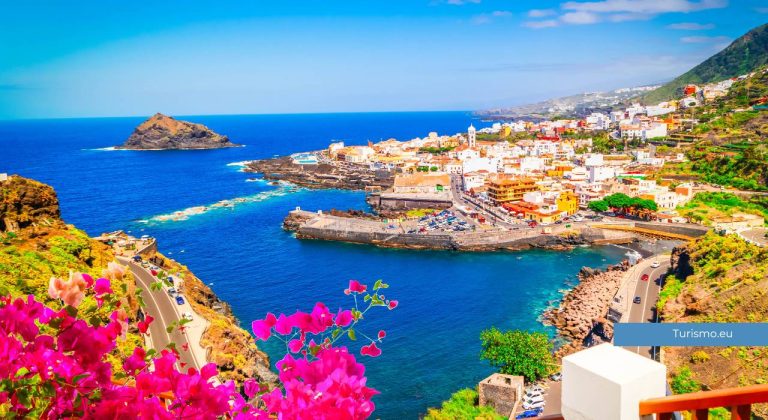
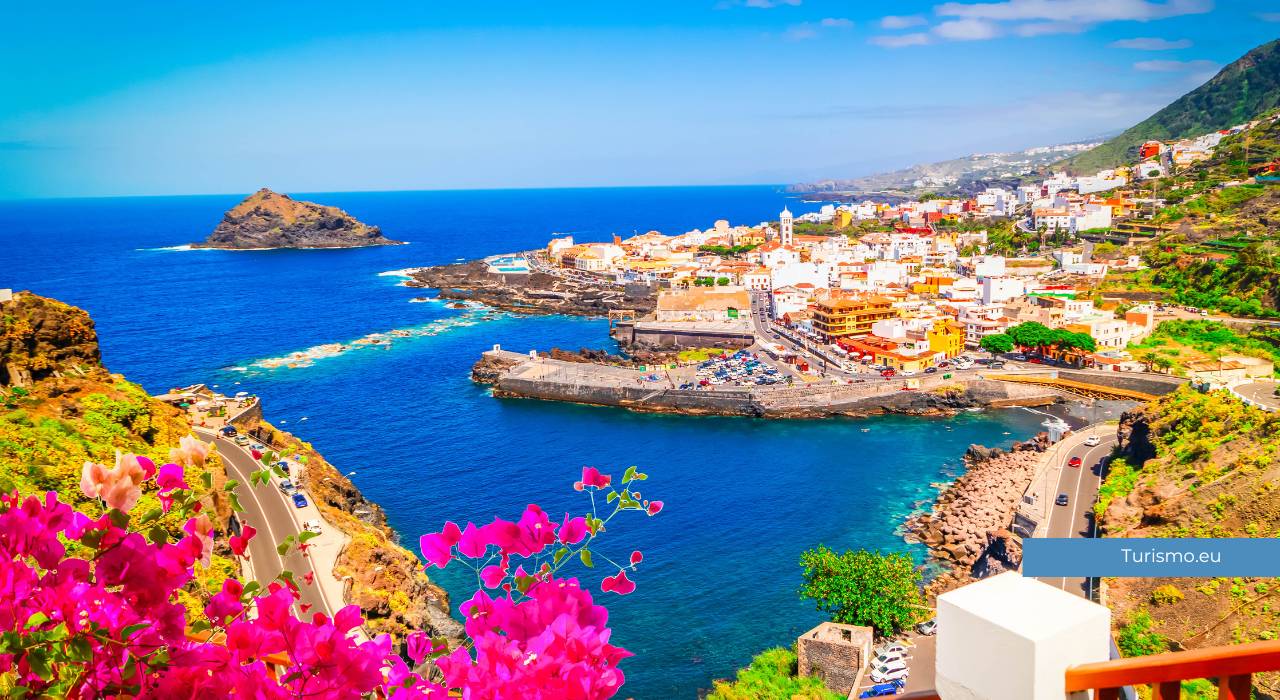
Further west is Garachico, a small coastal village rebuilt after a volcanic eruption, now famous for its natural rock pools.
The mountains and forests of Anaga
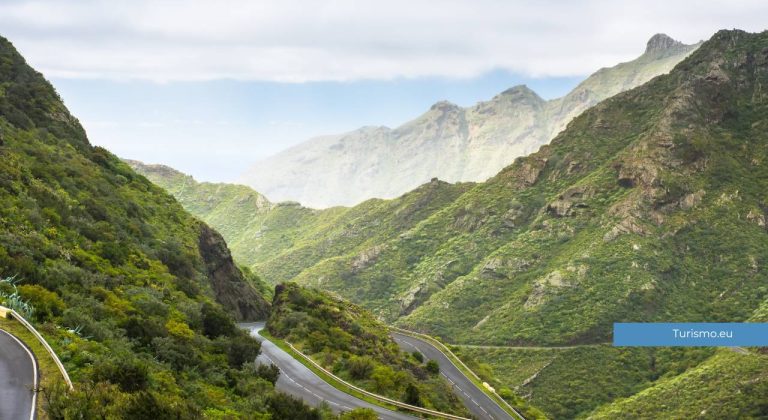
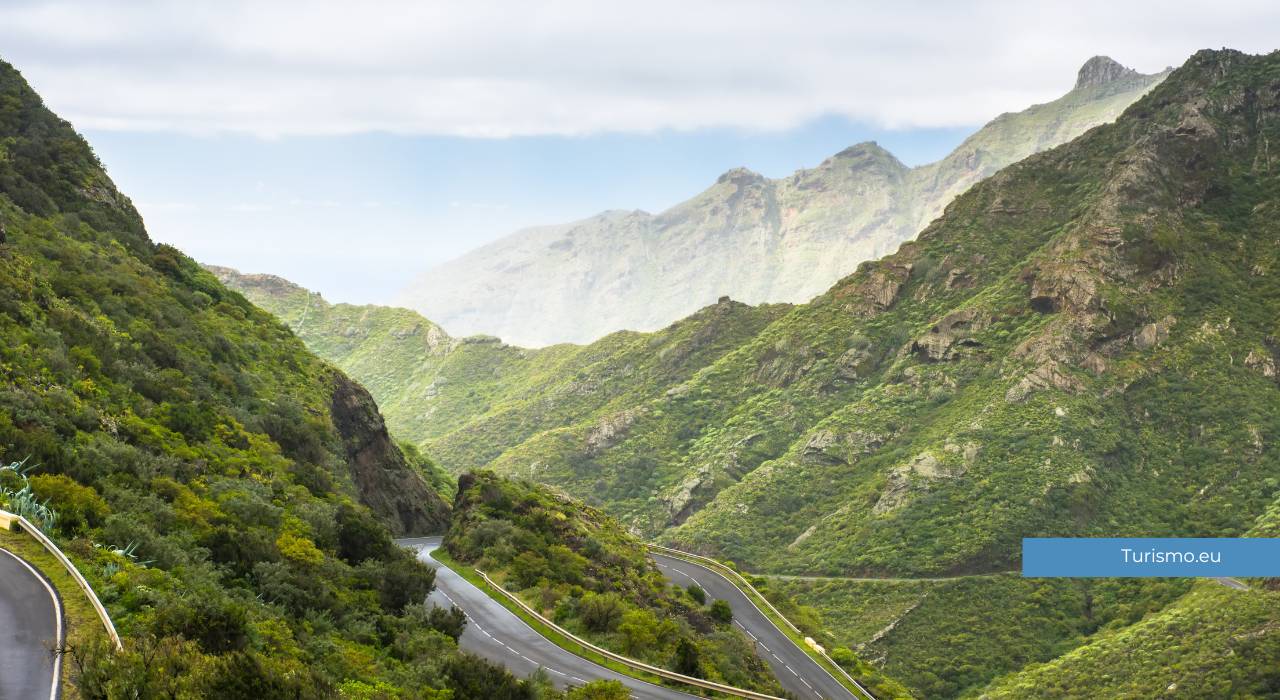
In the north-east of the island stretches the Anaga Rural Park, one of the wildest areas of Tenerife.
Here the mountains descend towards the ocean through laurisilva woodland, an ancient forest that once covered much of the Canary Islands. The trails cross panoramic ridges and small isolated villages.
It is one of the best places on the island for those who love walking in nature.
The cliffs of Los Gigantes (Acantilados de Los Gigantes)
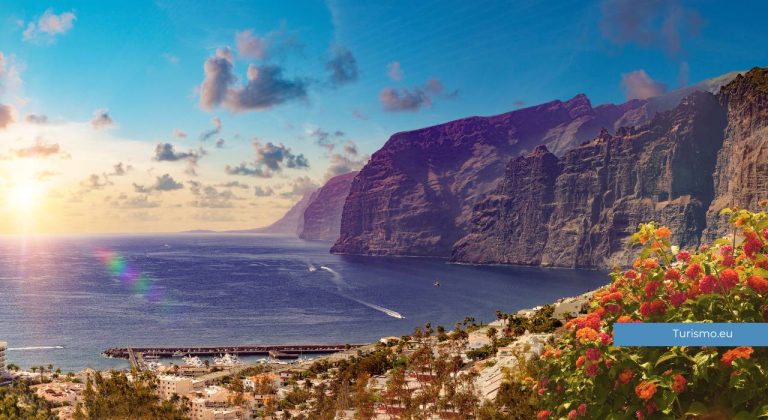
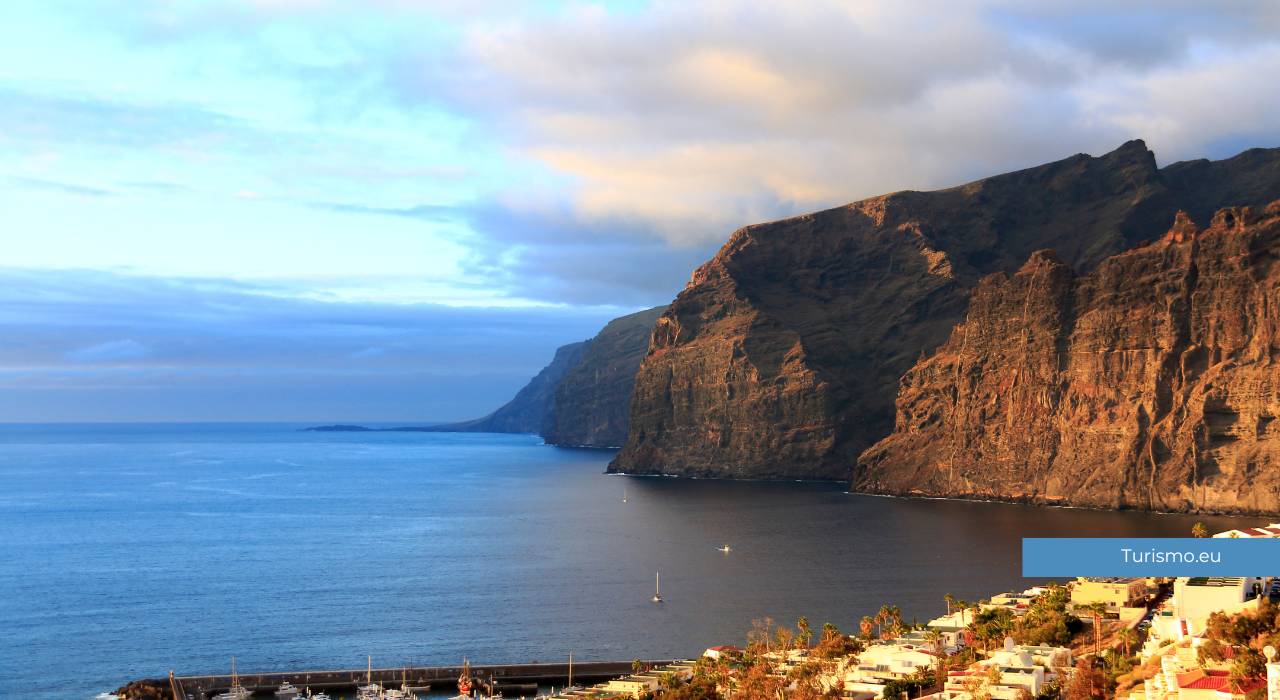
On the western coast of Tenerife stand the Acantilados de Los Gigantes, imposing volcanic cliffs that plunge into the ocean for hundreds of metres.
The small port of Los Gigantes is the starting point for many boat excursions along the coast and for whale and dolphin watching. From the sea the cliffs appear even more impressive, revealing the full power of the island’s volcanic landscape.
Santa Cruz and La Laguna
The most urban part of the island is found around the capital Santa Cruz de Tenerife.
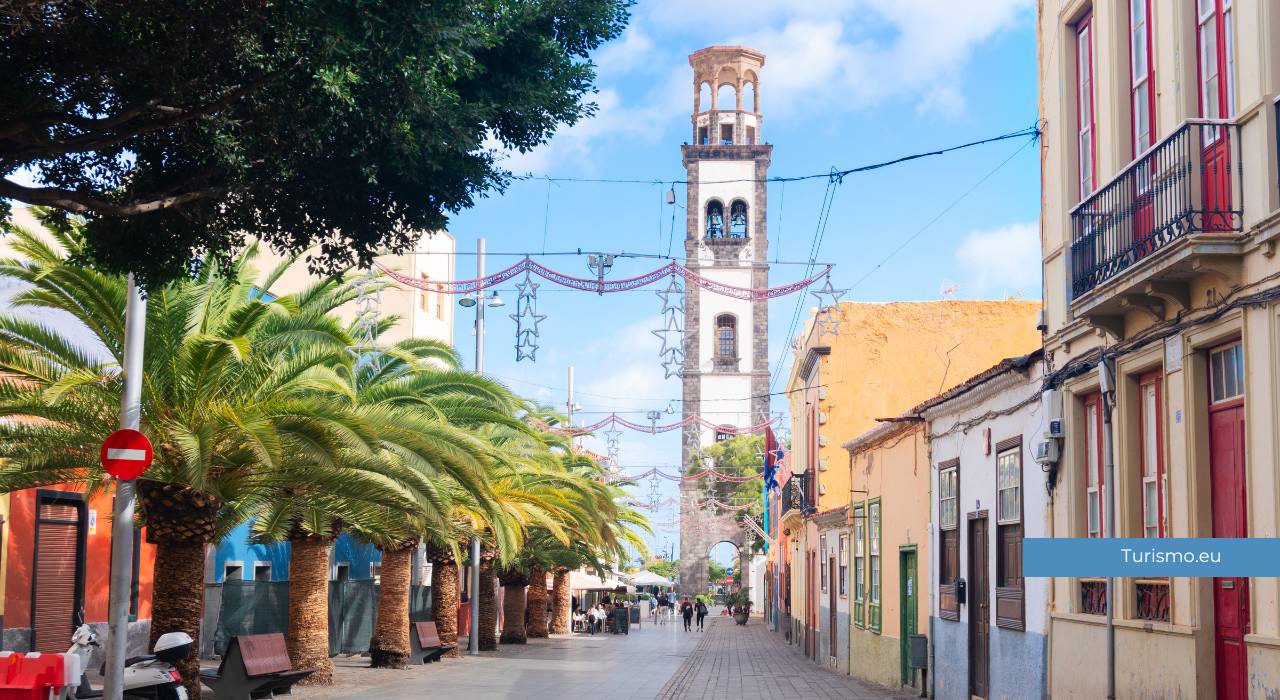
Not far away lies San Cristóbal de La Laguna, a UNESCO World Heritage Site. Its ordered streets, colourful houses and historic churches tell the story of the colonial past of the Canary Islands.
The south of Tenerife
The south of the island has a drier, sunnier climate. Here are concentrated some of the main tourist resorts, such as Costa Adeje and Los Cristianos.
This area is also one of the best spots for whale watching excursions, thanks to the stable presence of pilot whales and dolphins.
The wild coastlines of the island
Beyond the better-known areas, Tenerife also preserves more isolated places.
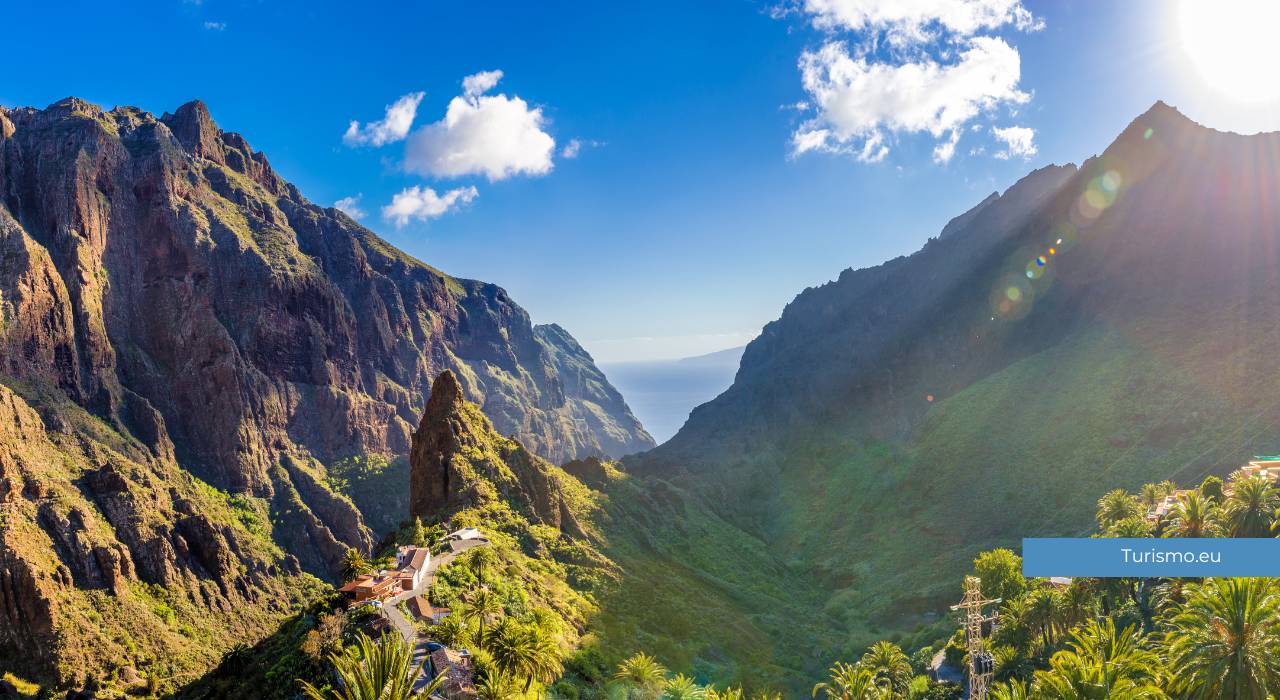
Among these are Masca, a village perched among the mountains, and Punta de Teno, a rocky peninsula overlooking spectacular cliffs.
Here the landscape is more rugged and the ocean shows all its force.
The beaches of Tenerife
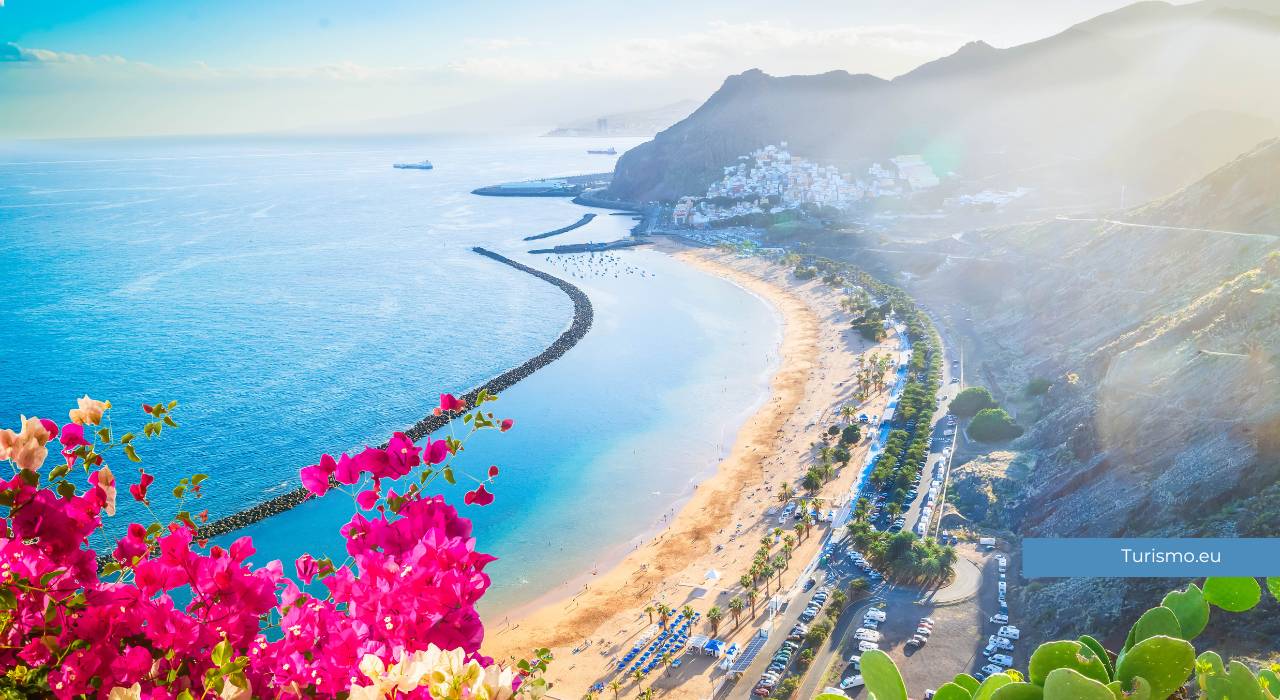
Unlike Fuerteventura, many of Tenerife’s beaches are of dark volcanic sand. Some, however, have been created with golden sand, such as Playa de las Teresitas.
Among the best known are Playa de las Teresitas, Playa del Duque and Playa de Benijo.
When to go to Tenerife
Thanks to its mild climate, Tenerife can be visited at any time of year.
The south is generally drier and sunnier, while the north can be cooler and greener.

 CASA LIVIA POOL & SUNSET


 DUNASLIVIA