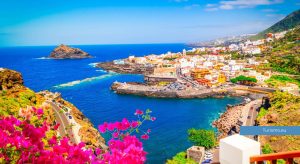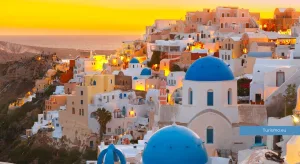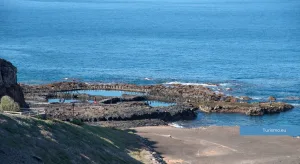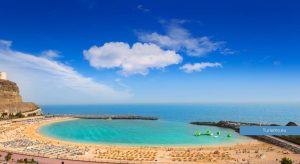
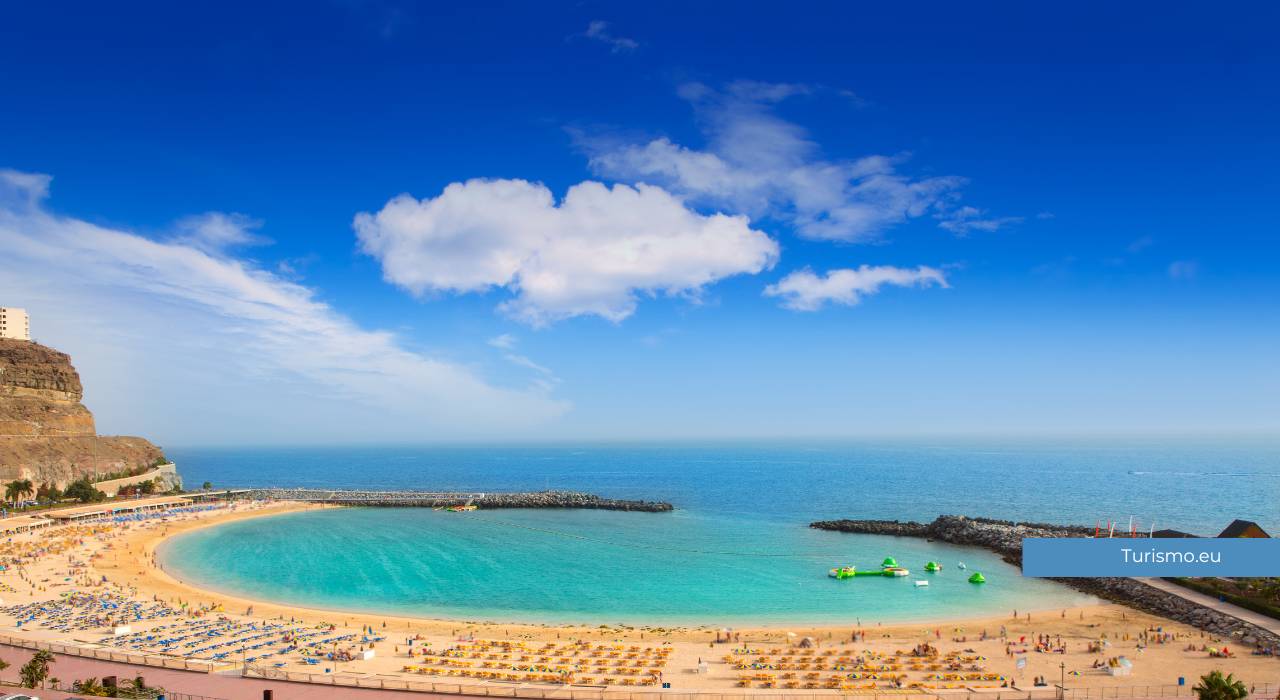


Gran Canaria has a very varied coastline. The south is the sunniest and most organised area, with long sandy beaches and calm waters. The north and east have a wilder character, with rocky coves and stronger waves. Las Palmas, the capital, has one of the largest urban beaches in Europe.
Knowing the differences helps you choose based on the type of experience you are looking for.
The south: dunes, golden sand and full facilities
The south is the most tourist-oriented area and the one with the most stable climate. The beaches are wide, the sand is light-coloured and the facilities are complete. It is the best choice for those looking for guaranteed sunshine and convenience.
Playa de Maspalomas
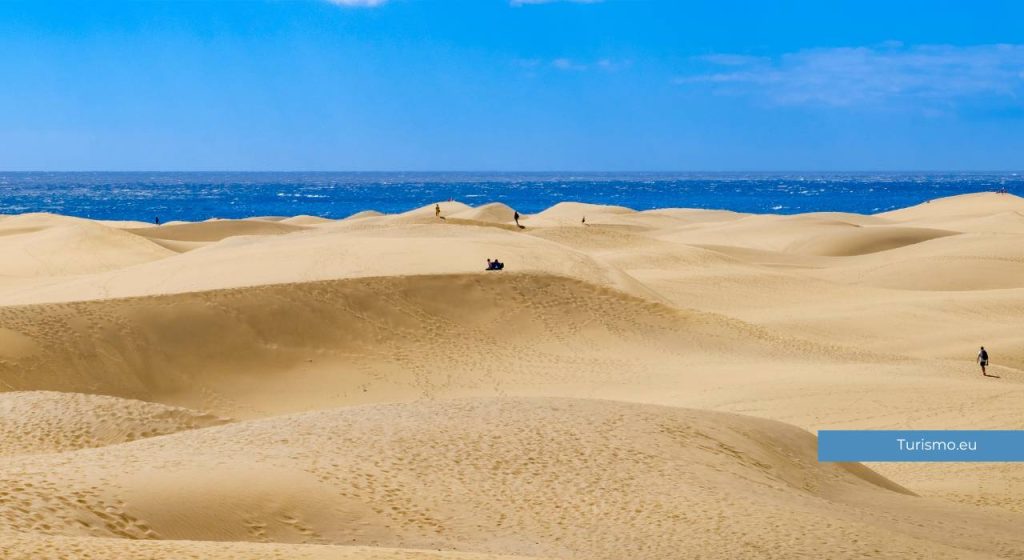
It is the most famous beach on the island and one of the most spectacular in the Canary Islands. It stretches for about three kilometres at the foot of the Maspalomas dunes — a dune system of golden sand that forms an almost desert-like landscape.
The access from the dunes side is wilder, while the side towards Playa del Inglés is more equipped. Currents can be strong in some spots — it is worth paying attention.
Playa del Inglés
Adjacent to Maspalomas, this is the beach of the main tourist hub of the south. Long, sandy, with all facilities and constant activity. It is the choice for those who want movement, water sports and amenities within easy reach.
Playa de Amadores
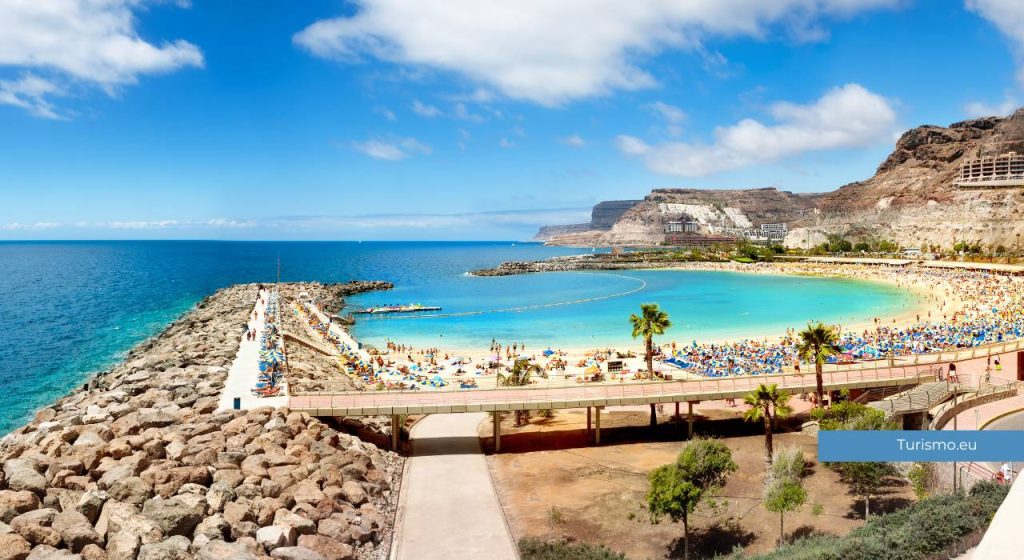
Near Puerto Rico, it is one of the most well-kept beaches in the south. The sand is imported from Morocco, the waters are calm thanks to a natural barrier and the setting is orderly.
It is frequented by those looking for comfort in a quiet environment.
Playa de Puerto Rico
A sheltered bay with almost always calm waters. It is one of the most suitable beaches for families with young children, thanks to the tranquillity of the sea and the availability of services.
The sun shines almost all day long due to the shape of the bay.
The west coast: coves and crystal-clear waters
Between Puerto Rico and Mogán the coastline becomes more jagged, with smaller coves and generally clear waters.
Playa de Mogán
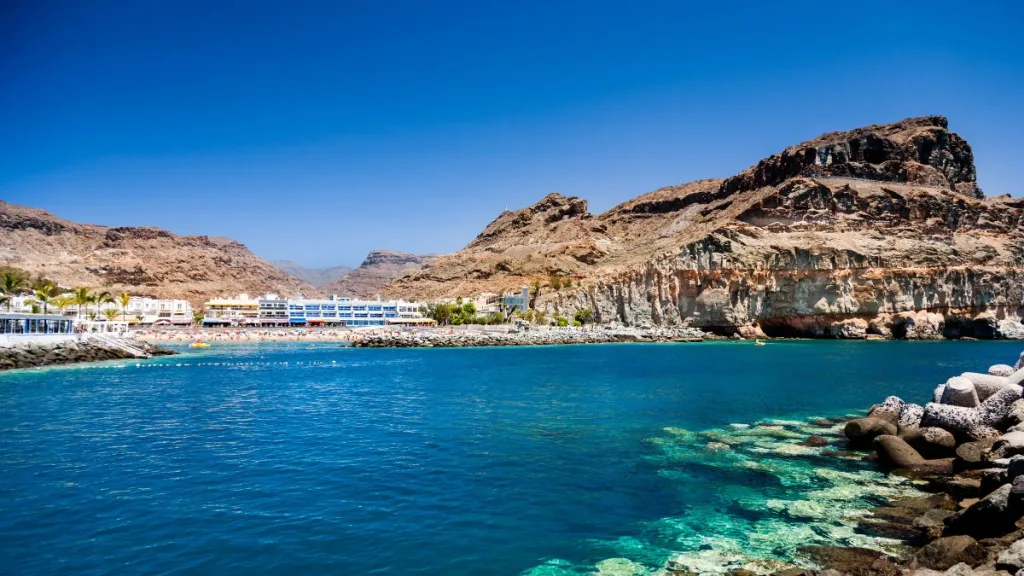
In the small harbour of Puerto de Mogán, this is a sheltered beach with golden sand and calm waters. The setting is pleasant — the little harbour with its canals has a different atmosphere from the rest of the tourist south.
It is less crowded than the main beaches.
Las Palmas: the urban beach
Playa de Las Canteras
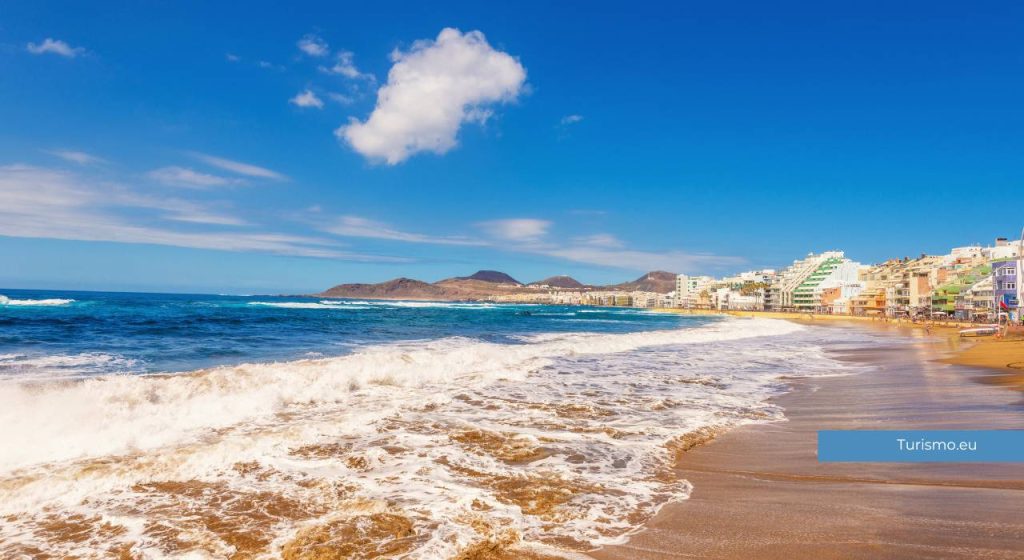
It is one of the largest urban beaches in Europe and is located in the heart of Las Palmas. It stretches for almost three kilometres along the city’s seafront. A natural rocky barrier — La Barra — protects much of the beach from the waves, creating a safe and calm bathing area. It is frequented year-round by residents and visitors to the capital.
The atmosphere is that of a real city beach, very different from the tourist beaches of the south.
The north and east: wild beaches
The north and east of the island have a rougher character. The beaches are often dark sand or pebble, exposed to wind and waves.
They are not suited to classic relaxation but offer more striking and less frequented landscapes.
Playa de Las Nieves
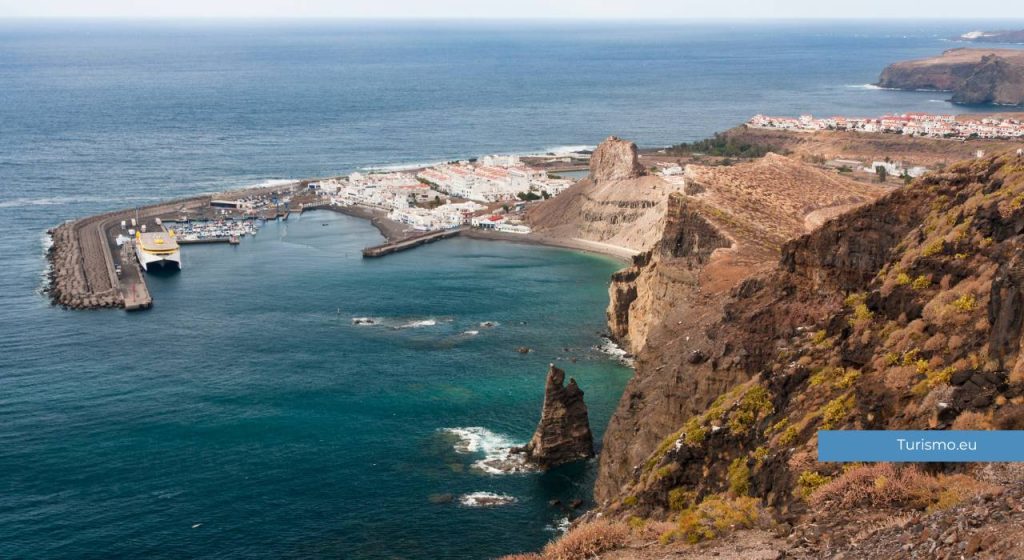
Near Agaete, on the north-western side, this is a small beach of black pebbles in a setting very different from the south. The waters can be rough but the landscape is striking, with mountains descending to the sea.
It is a beach with a local character — you can dive from the pier and the atmosphere is that of a fishing village, far from the tourist circuit.
What to know before you choose
The light-coloured sand on the southern beaches is not always natural — the sand at Amadores is imported from Morocco, and part of the sand at Maspalomas is of Saharan origin. The climate in the south is drier and sunnier than in the north, where clouds are more frequent.
Currents at Maspalomas can be strong — warning signs should be respected.