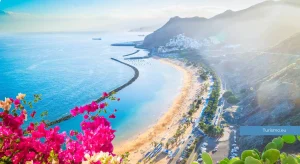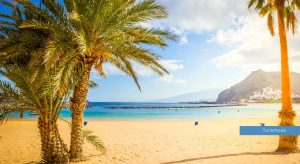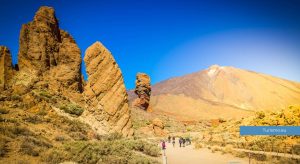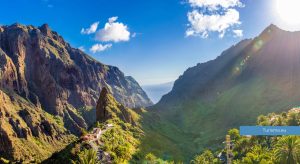
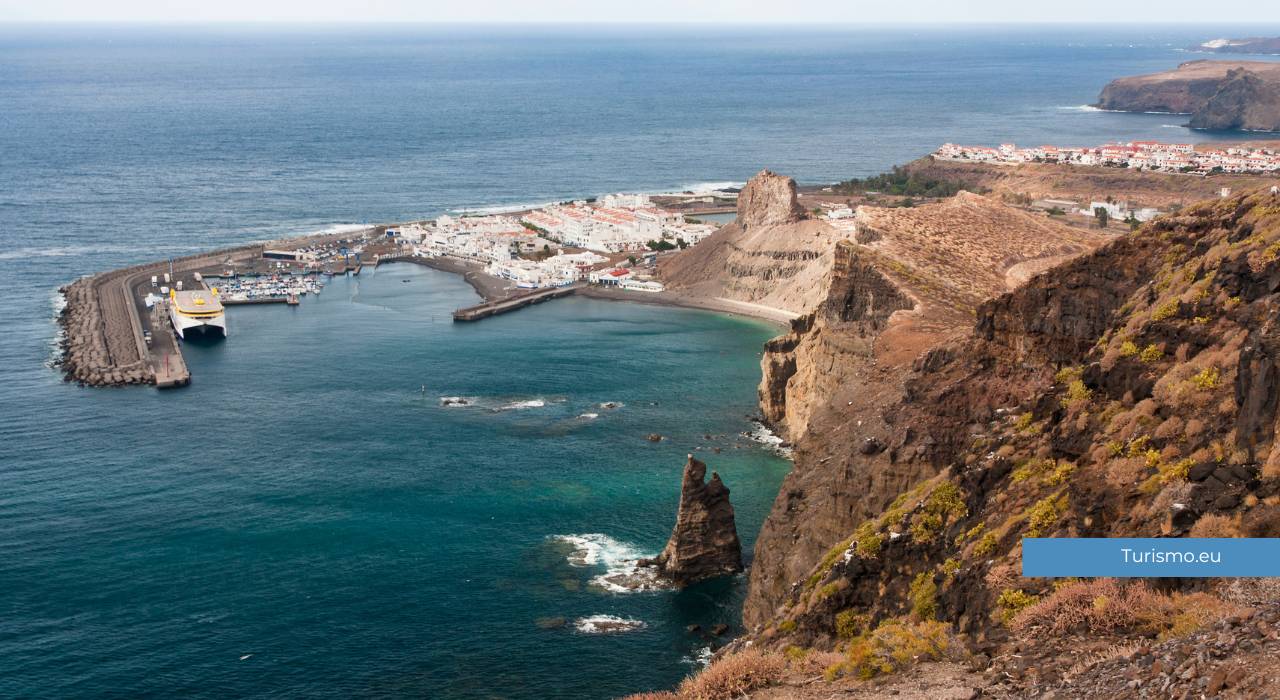


The north-western part of Gran Canaria looks very different from the tourist resorts of the south. Here the landscape is more vertical, the mountains reach close to the ocean and the coast alternates between cliffs, small villages and stretches more exposed to the wind and the Atlantic. Agaete is one of the best places to explore this area.
A town between ocean and mountains
Agaete has a more local character than other parts of the island. The old town develops slightly inland, with white houses, quiet squares and a more visible presence of everyday Canarian life.
A little further down lies Puerto de las Nieves, the harbour facing the ocean. Here the landscape changes completely: volcanic rock, open sea and a coastline more rugged than the tourist beaches of the south.
Ferries to Tenerife depart from Puerto de las Nieves, heading to Santa Cruz de Tenerife. The crossing makes it easy to travel between the two islands and offers a different perspective on the north-western coast of Gran Canaria — especially as you leave the harbour, when the cliffs and mountains remain visible for a long time.
For those planning a multi-island itinerary, Agaete is one of the most practical connection points in the archipelago.
The natural pools
One of the most interesting features of the area are the natural pools. The Las Salinas pools allow you to connect with the ocean in a more sheltered way, while still keeping the raw force of the surrounding volcanic landscape.
On rough days the water can surge in with considerable strength, completely changing the atmosphere of the place. Better to go outside the pools in this case.
The road to the north-west
The road connecting Agaete to the westernmost parts of the island is one of the most scenic in Gran Canaria. The bends follow the cliffs and constantly open up views over the ocean. In some stretches the landscape feels almost isolated, with arid mountains descending directly to the sea.
It is an area better suited to those who enjoy driving slowly and stopping at viewpoints than to those looking for organised beach resorts.
The Agaete Valley
Behind the coast opens the Agaete Valley, one of the greenest areas in the north-western part of the island. Here the climate changes quickly compared to the coast. Palm trees, tropical crops and small trails introduce a more humid and lush dimension, creating a strong contrast with the volcanic coastal landscape. The valley is also known for its coffee plantations — a rare feature in the Canary Islands.
When to visit
This part of Gran Canaria can be visited year-round, but winter and spring often offer more pleasant conditions for exploring both the coast and the valley. The ocean remains more dynamic than in the south of the island, and some days can be windy.
Why visit Agaete
Agaete represents a less built-up Gran Canaria, less oriented towards classic beach tourism. The relationship between ocean, mountains and villages retains a dimension closer to everyday island life.
It is an area well suited to those looking for striking landscapes, panoramic roads and an island that constantly changes face between coast and interior.