La Palma is one of the least touristy islands in the Canary Islands, but not for lack of interest.
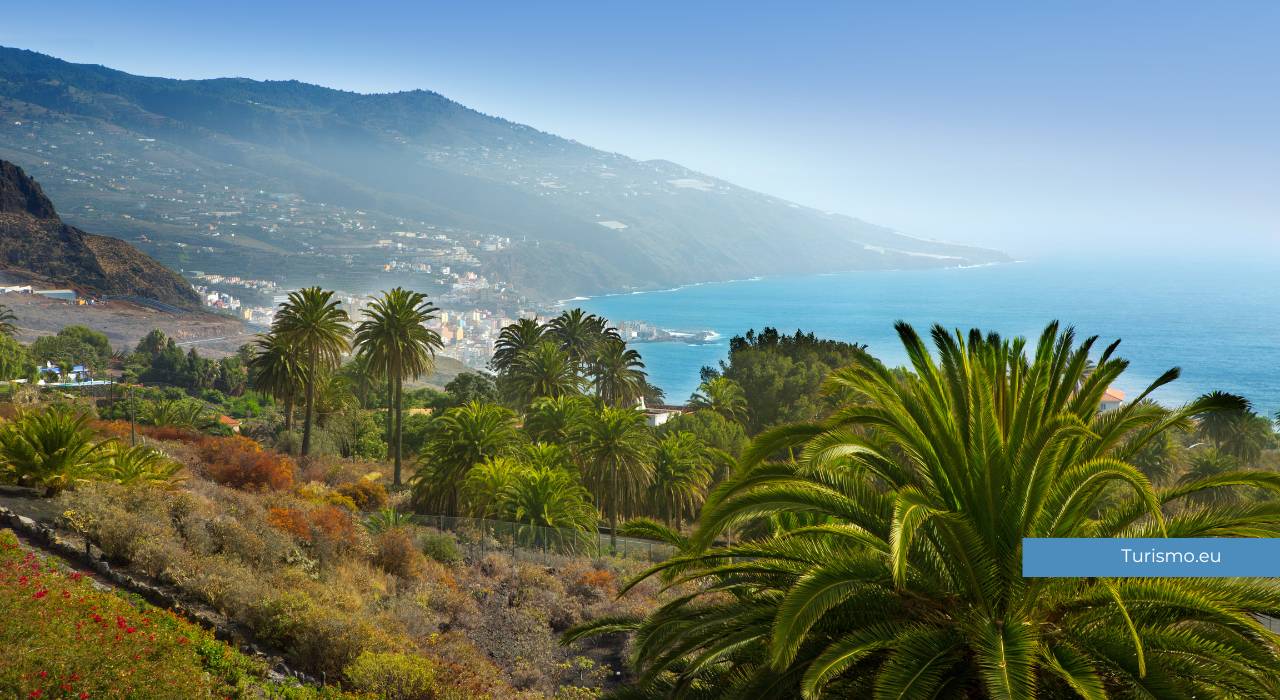
It is the greenest and steepest island in the archipelago — a volcanic cone covered in pine forests and laurisilva, with a caldera at its centre that is one of the largest in the world.
Those who choose it do so for the nature, the hiking and the night skies. Those expecting organised beaches and resorts will find something very different.
The main areas of La Palma
La Caldera de Taburiente
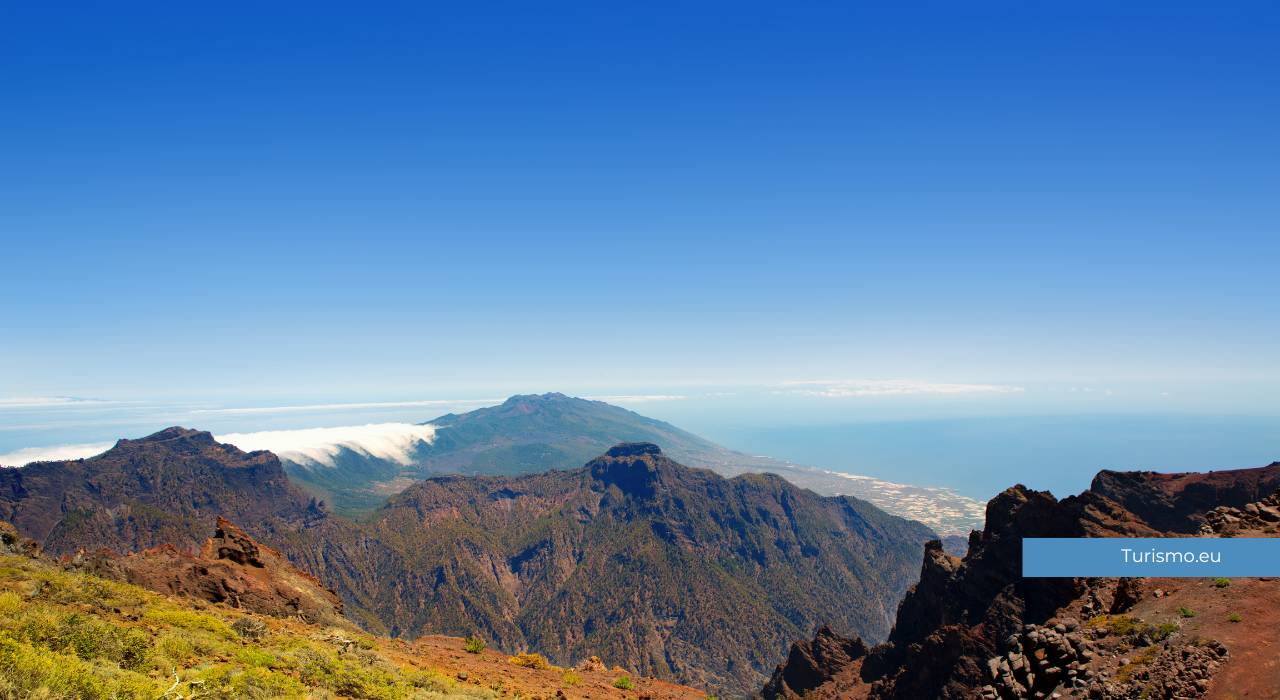
The Caldera de Taburiente National Park is the heart of the island.
It is a volcanic depression of approximately ten kilometres in diameter, surrounded by walls that reach 2,000 metres.
Inside, streams flow, Canarian pines and laurisilva grow, and the trails cross landscapes that change completely with altitude.
The best way to visit is on foot — there are routes for all levels of experience, from panoramic paths to demanding treks that descend to the valley floor.
The north: forests and historic villages
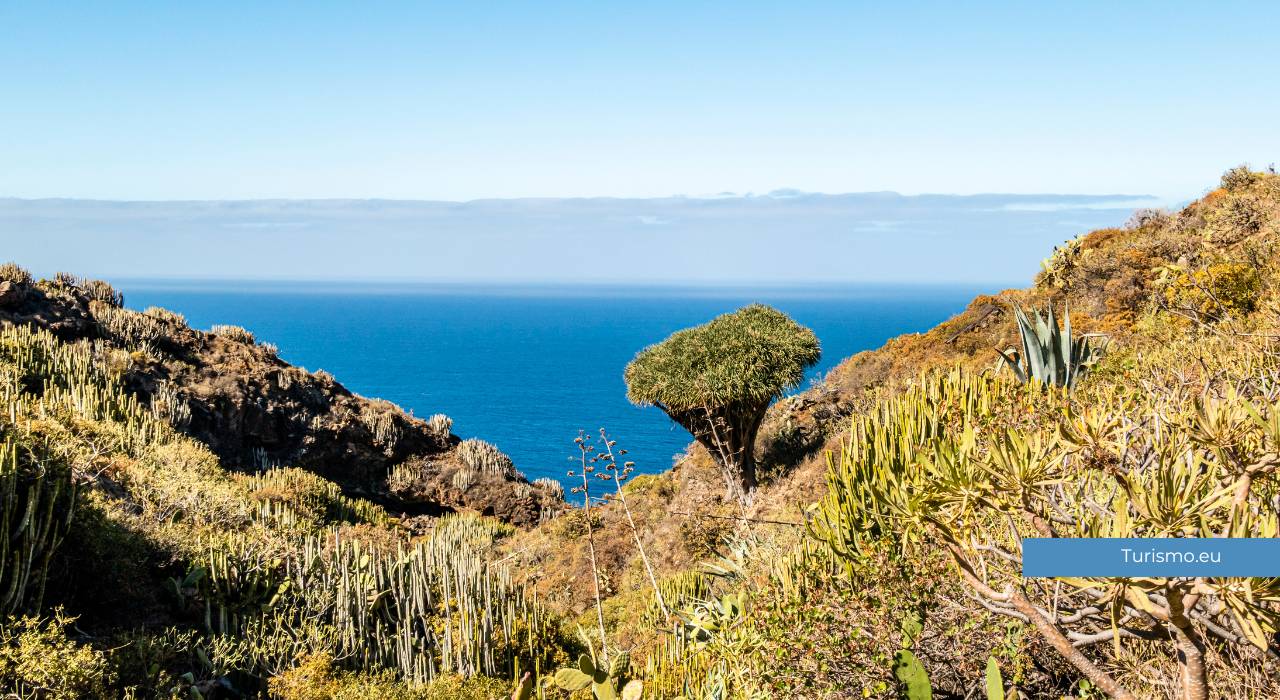
The north of La Palma is the greenest and most humid part of the island. The villages of Garafía and Barlovento sit among plantations and forests, with a landscape that recalls the Azores more than the southern Canary Islands.
In Garafía you will find one of the oldest rural markets in the archipelago.
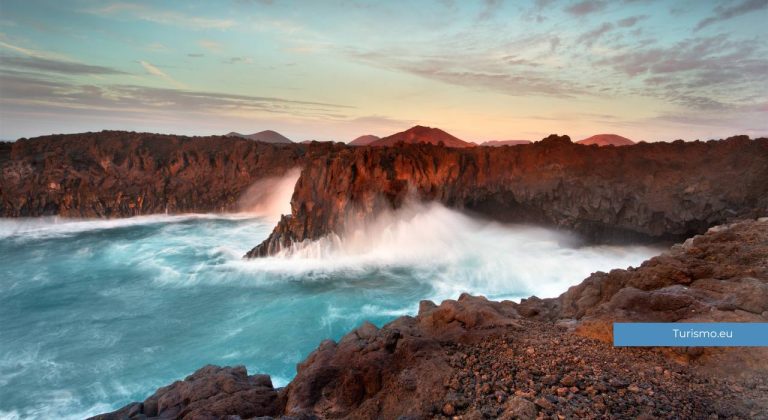
The northern coastline is rocky and wind-beaten — not suitable for swimming but spectacular as a landscape.
Santa Cruz de La Palma
The capital is one of the best-preserved colonial cities in the Canary Islands.
The seafront with its pastel-coloured houses and carved wooden balconies is one of the most photographed in the archipelago. The historic centre has sixteenth-century churches, noble palaces and a quiet atmosphere that sets it apart from the larger capitals of the other islands.
It is worth half a day’s visit even for those on the island primarily for the nature.
The south: volcanoes and lava
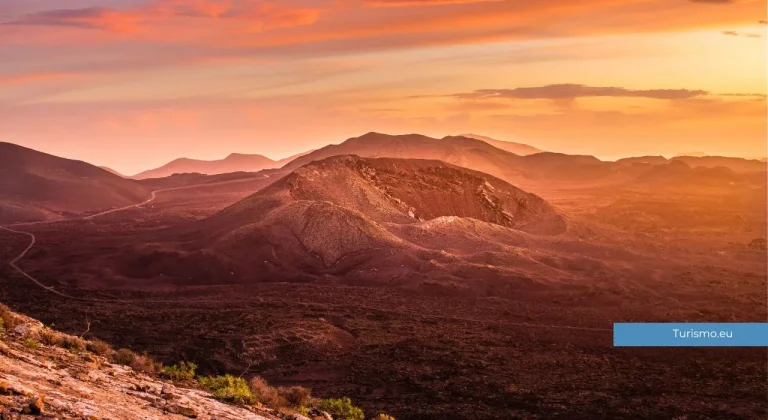
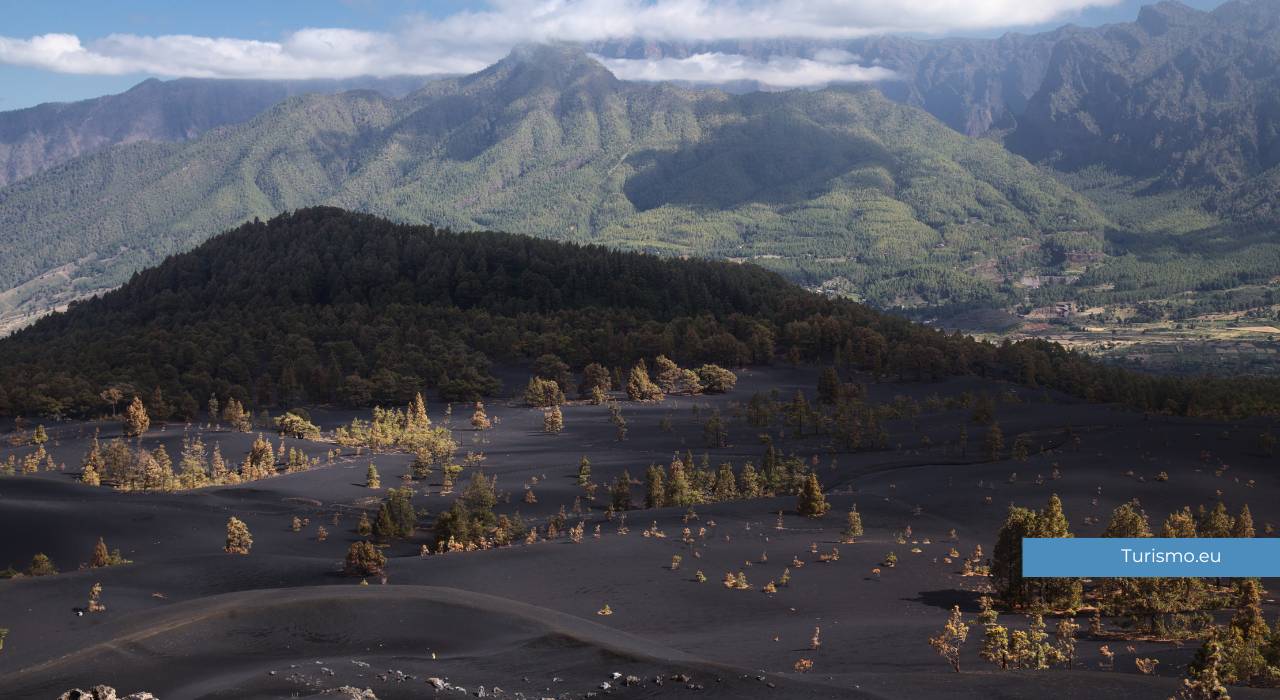
The south of La Palma bears the marks of the most recent eruptions.
The Tajogaite volcano, which erupted in 2021, profoundly changed the south-western coastline — lava flows reached the sea and created new land. The area around the flow is accessible and offers one of the most recently formed volcanic landscapes in Europe.
Before the eruption this area was known for its vineyards and banana plantations — some cultivation is slowly returning.
The skies of La Palma: the Roque de los Muchachos Observatory
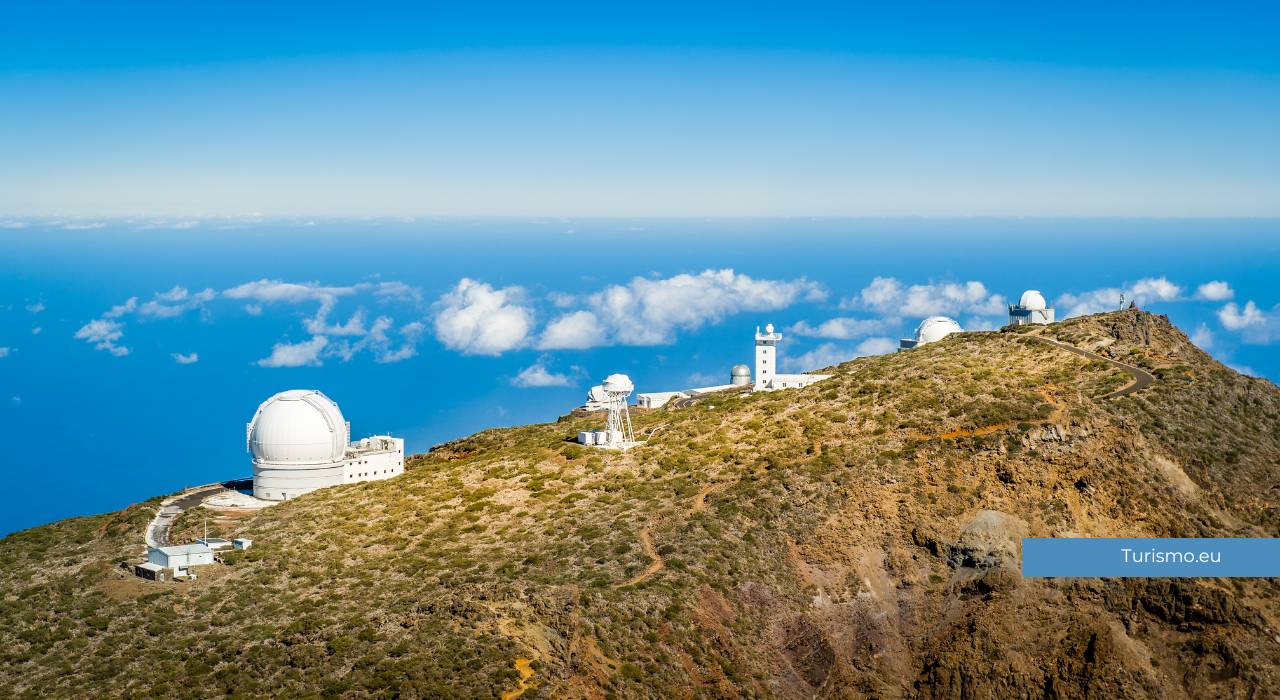
La Palma has one of the clearest night skies in Europe. On the plateau of the Roque de los Muchachos, at over 2,400 metres altitude, stands one of the most important astronomical observatories in the world, hosting telescopes from several international scientific agencies.
The island has one of the strictest light pollution control laws in the world, protecting the quality of the night sky. On clear nights the Milky Way is visible to the naked eye from almost anywhere on the island.
Guided night tours are organised by several local operators.
The beaches
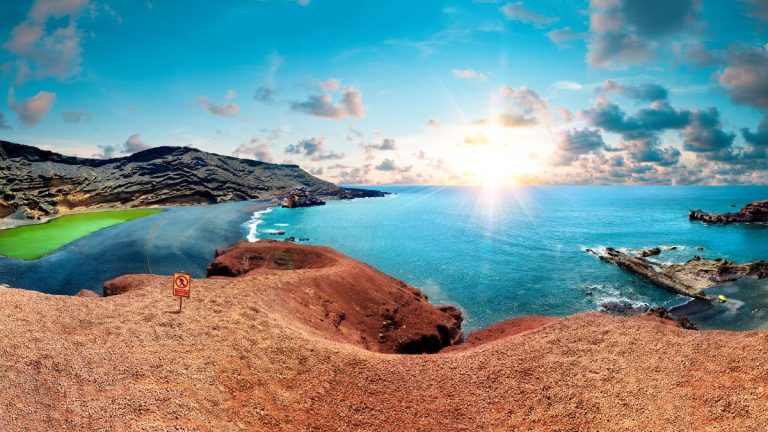
The beaches of La Palma are nothing like those of the southern Canary Islands. The sand is black volcanic, the sea can be rough and facilities are limited.
The most accessible are in the south — Playa de Zamora and Playa de Los Guios are the most visited. Puerto Naos, on the west coast, is the most equipped beach on the island, with black sand and relatively calm waters.
This is not an island to choose if beaches are the priority — but those who are struck by the volcanic landscape reaching all the way to the sea will find the black beaches entirely in keeping with the character of the island.
When to go to La Palma
La Palma can be visited well at any time of year, but the best periods are spring and autumn.
In spring the vegetation is at its peak and the trails are in excellent condition after the winter rains. In autumn the climate is mild and the days are still long.
Summer is the driest season but also the busiest — the Caldera trails can be crowded in August. Winter is rainy in the north and at higher altitudes, but the south remains relatively mild.
How to visit La Palma
The airport is located in the centre-east of the island, near Santa Cruz.
A hire car is essential — public transport covers the main routes but with low frequencies and long journey times. The roads are often narrow and winding, especially in the north and interior.
Those wishing to hike in the Caldera must book access in advance — the number of daily visitors is limited to protect the park.

 CASA LIVIA POOL & SUNSET


 DUNASLIVIA