Art cities, medieval towns, rolling hills and a varied coastline within one region.
Tuscany lies in central Italy and extends from the Apennines to the Tyrrhenian Sea. Its landscape includes historic cities, agricultural valleys, wooded mountains, thermal springs, islands and long stretches of coast.
Tuscany lies in central Italy and extends from the Apennines to the Tyrrhenian Sea. Its landscape includes historic cities, agricultural valleys, wooded mountains, thermal springs, islands and long stretches of coast.
Florence and the other art cities contain some of Italy’s most important artistic and architectural heritage, while the countryside is shaped by vineyards, olive groves, hill towns and farming traditions. The coast adds another dimension, ranging from the beaches of Versilia to the quieter shores of the Maremma and the islands of the Tuscan Archipelago.
Art and historic cities → Florence, Siena, Pisa, Lucca and Arezzo
Hill towns and countryside → Val d’Orcia, Chianti and Valdichiana
Sea and nature → Maremma, Costa degli Etruschi and the Tuscan Archipelago
Mountains and woodland → Garfagnana and the Apuan Alps
Thermal springs and wellbeing → Saturnia, Bagno Vignoni and Montecatini Terme
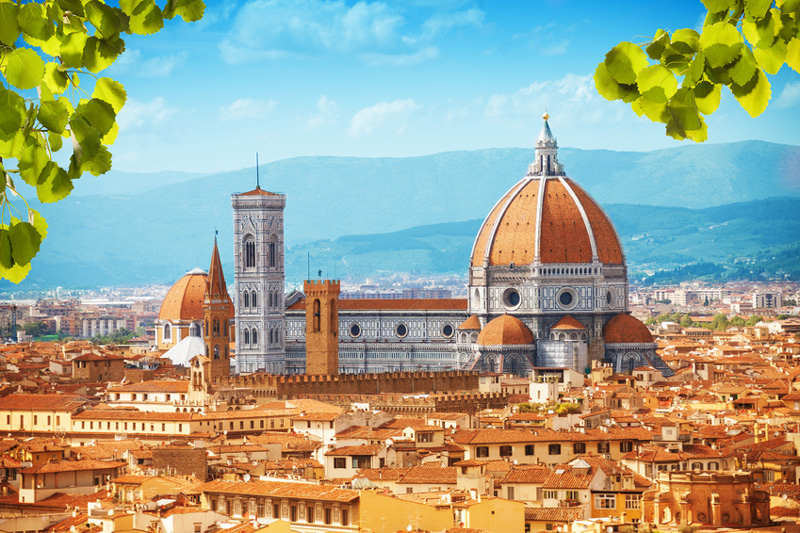
Tuscany’s cities played a central role in the development of Italian art, architecture and political history.
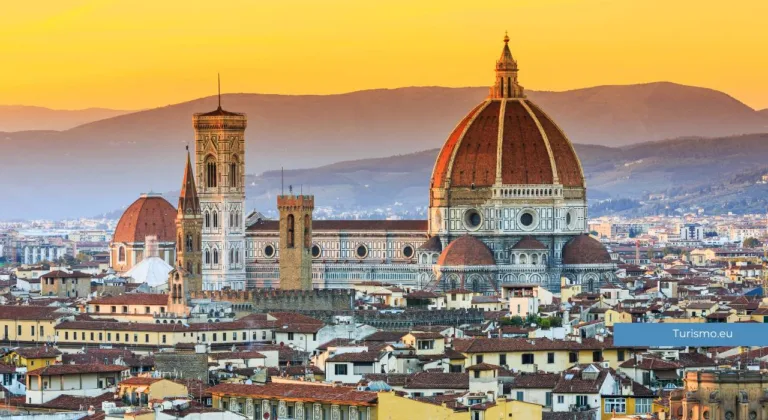
Florence is closely associated with the Renaissance and with artists and architects such as Brunelleschi, Michelangelo, Botticelli and Leonardo da Vinci. Its historic centre includes the Cathedral of Santa Maria del Fiore, Piazza della Signoria, Ponte Vecchio and museums such as the Uffizi and the Accademia Gallery.
Siena has retained a more distinctly medieval structure. Its streets converge on Piazza del Campo, while the cathedral stands out for its striped marble exterior and richly decorated interior.
Pisa is known primarily for the Leaning Tower, but the wider monumental complex of Piazza dei Miracoli also includes the cathedral, the Baptistery and the Camposanto.
Lucca is surrounded by Renaissance walls that can be explored on foot or by bicycle. Within them lies a compact centre of churches, towers, squares and narrow streets.
Arezzo and Cortona provide access to the eastern part of Tuscany. Arezzo combines medieval and Renaissance architecture, while Cortona occupies a hillside overlooking the Valdichiana.
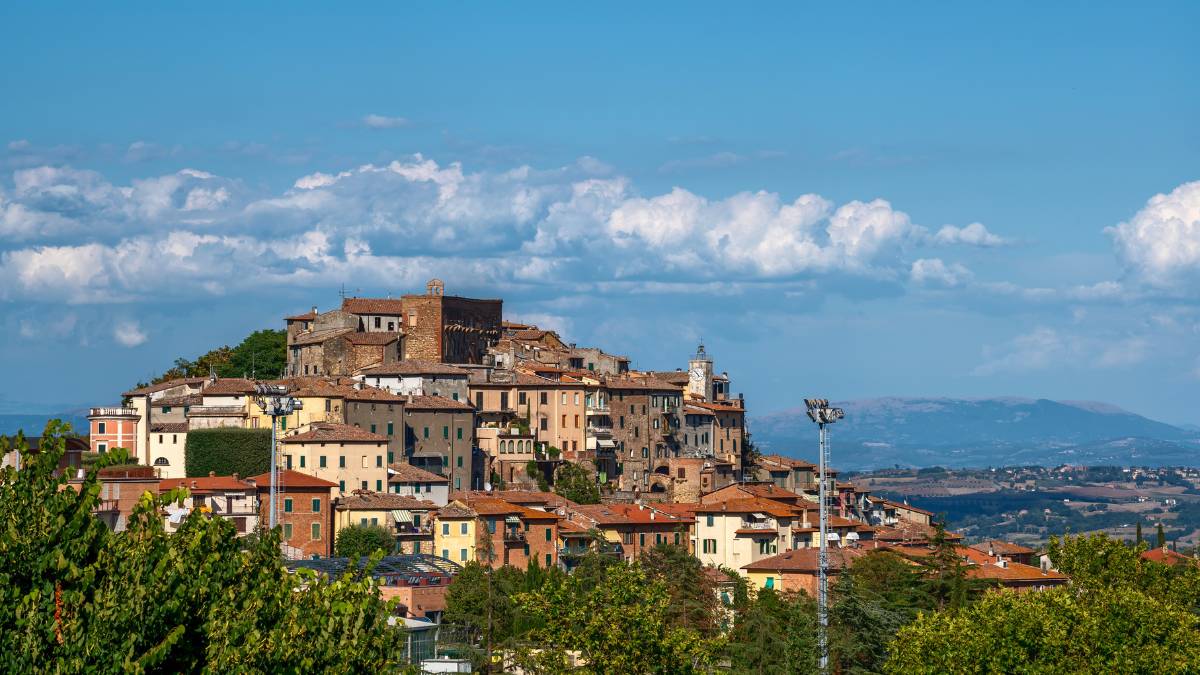
The Tuscan countryside is not a single continuous landscape. Each area has its own geography, agricultural traditions and settlement patterns.
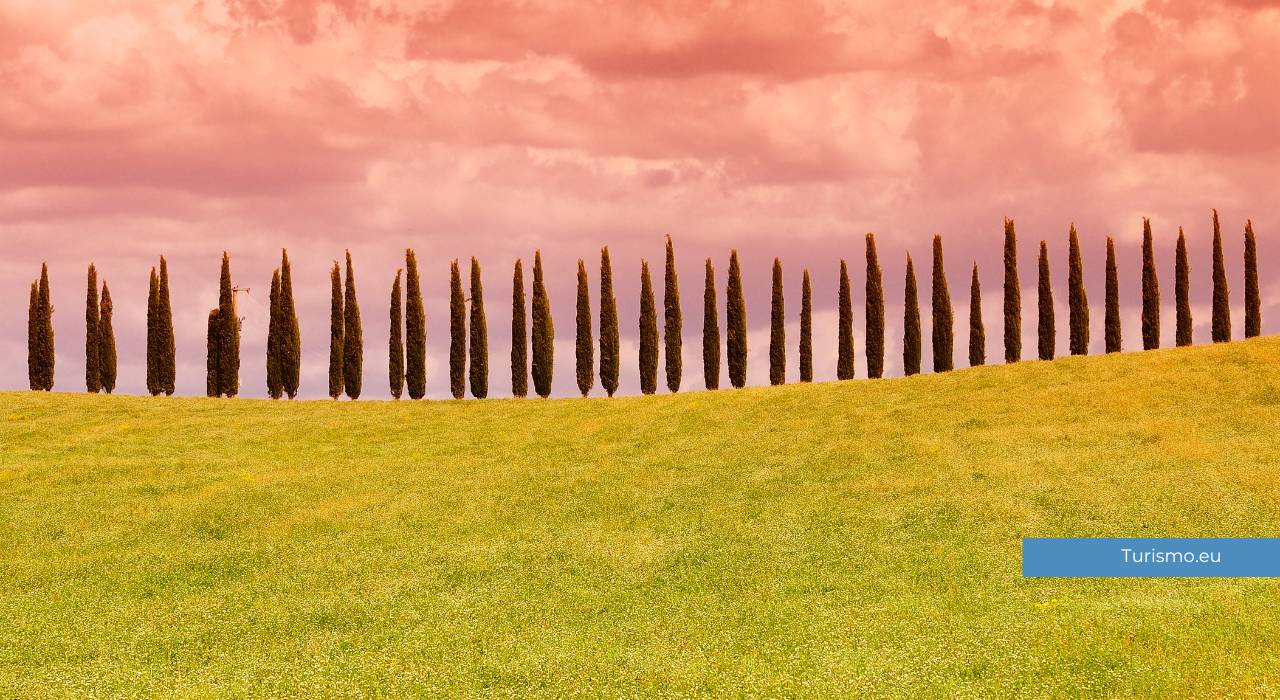
The Val d’Orcia is characterised by broad hills, cultivated fields and towns such as Pienza, Montalcino and Montepulciano. Its present appearance is the result of centuries of agricultural work rather than an untouched natural environment.
Pienza was redesigned during the Renaissance according to humanist principles and overlooks the surrounding valley. Montepulciano extends along a ridge among historic palaces and wine cellars, while Montalcino is associated with Brunello wine and its hilltop fortress.
Further north, San Gimignano is recognised by its surviving medieval towers. Volterra has Etruscan origins and a long tradition of alabaster craftsmanship.
The Chianti region stretches between Florence and Siena. Vineyards, olive groves, woodland and small towns make it suitable for a journey by car, although its winding roads mean that travel times can be longer than expected.
Northern Tuscany has a different landscape from the better-known hills of the central region.
The Garfagnana lies between the Apuan Alps and the Apennines. Forests, rivers, mountain roads and villages define an area suited to walking and outdoor activities.
Castelnuovo di Garfagnana is one of its main centres, while Barga occupies a hillside position overlooking the Serchio Valley. Smaller villages and walking routes extend throughout the surrounding mountains.
A car is generally the most practical way to explore this part of Tuscany. Roads can be narrow and winding, so distances should be assessed according to travel time rather than kilometres alone.
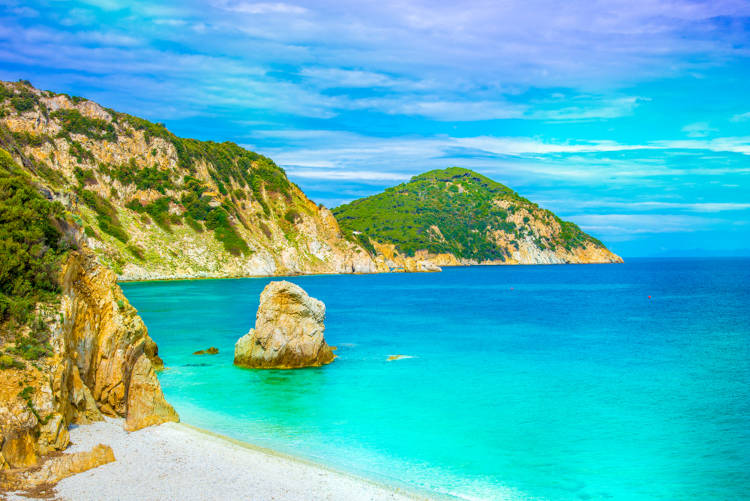
Tuscany has a long and varied coastline extending from the northern resorts of Versilia to the more open landscapes of the Maremma.
Forte dei Marmi and the Versilia coast are known for organised beaches, hotels and summer nightlife. Further south, the Costa degli Etruschi combines beaches, pine forests and historic towns.
The Maremma offers a less densely developed coastline, with protected natural areas and beaches such as Cala Violina. Access to some locations may be regulated during busy periods, making it advisable to check parking and reservation arrangements before travelling.
The coast can become crowded in July and August. June and September generally offer warm weather with fewer visitors.
The Tuscan Archipelago includes Elba, Giglio, Giannutri, Capraia, Pianosa, Montecristo and Gorgona.
Elba is the largest and most accessible island. It combines beaches, mountain landscapes, small towns and historical sites linked to Napoleon’s exile. Its size and road network make careful planning useful, especially during summer.
Giglio is smaller and can be explored from Giglio Porto, Giglio Castello and the coastal areas. Giannutri is more isolated and subject to environmental protection measures.
Ferry services and visitor access vary according to the island and the season. Tickets and current regulations should therefore be checked before departure.
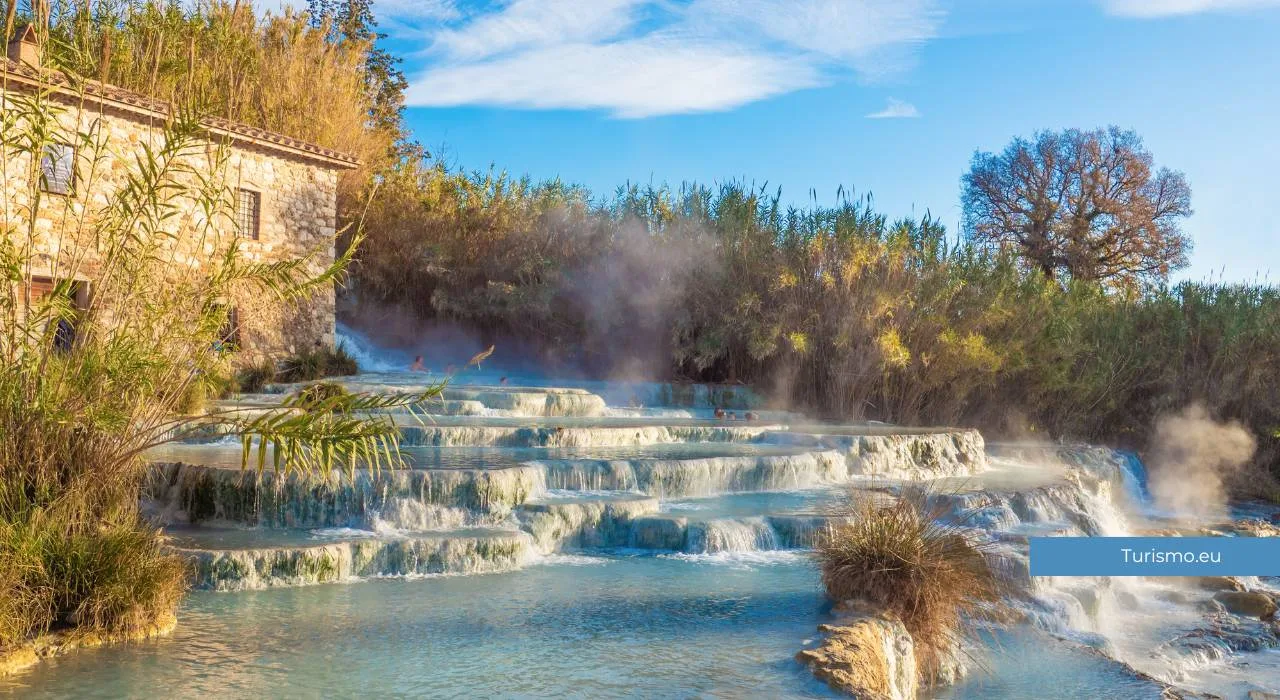
If you’re looking to unwind, Tuscany’s natural thermal springs are a true blessing. The Cascate del Mulino in Saturnia, with its sulfur-rich waters, and the ancient thermal baths of Bagno Vignoni offer moments of pure relaxation, set against picture-perfect landscapes.
Read our in-depth articles on Tuscany.