An island of sea, history and volcanic landscapes.
At the heart of the Mediterranean, Sicily combines volcanic scenery, cities shaped by centuries of history and a coastline stretching for hundreds of kilometres. Each part of the island has its own clearly recognisable landscape and character.
Sicily is a complex, layered island where landscapes, cultures and atmospheres can change considerably from one area to another. Beaches, volcanoes, historic cities and inland regions coexist across a large territory that cannot be reduced to a single kind of experience.
Every journey through Sicily is built around contrasts: bright coastlines and rugged landscapes, lively cities and quiet rural areas, deeply rooted traditions and cultural influences that have overlapped for centuries. Seeing everything in a short time is difficult, so choosing the right area is an important part of planning the trip.
This guide provides an overview of the island’s different regions, helping you decide where to start and which part of Sicily best suits the way you travel.
Sea and relaxation → San Vito Lo Capo, Zingaro Nature Reserve and south-eastern Sicily
Dramatic landscapes and nature → Mount Etna, the Aeolian Islands and inland areas
Cities and culture → Palermo, Catania, Syracuse and Agrigento
Villages and lesser-known Sicily → the interior, the Madonie and the Val di Noto
Road trip → western or eastern Sicily
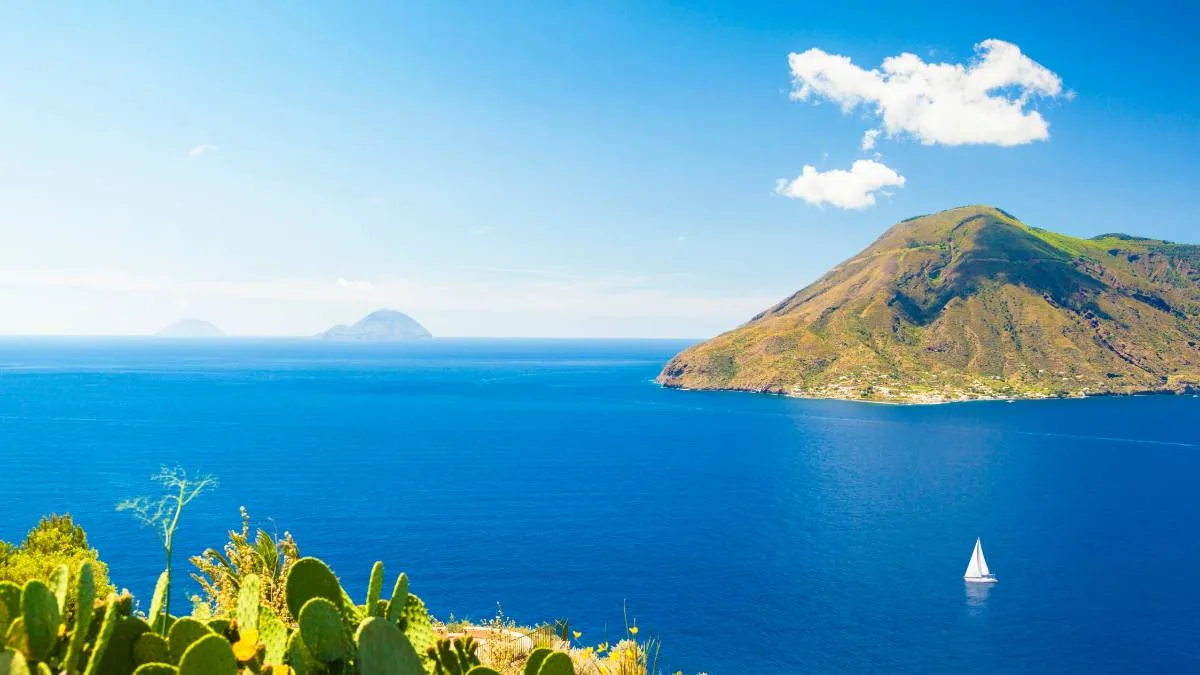
The sea is one of Sicily’s most extensive and varied features, but the coastline does not follow a single pattern. Its shape, landscape and atmosphere change considerably between the north, south, east and west, creating very different experiences depending on the area chosen.
The northern coast alternates rocky sections with smaller beaches, often framed by mountains descending towards the sea. In the west, the coastline is more open, with long sandy beaches, nature reserves and areas exposed to the wind.
Southern Sicily has broad, bright stretches of coast, gradually sloping seabeds and more open landscapes. In the east, cliffs and dark volcanic beaches reflect the influence of Mount Etna, while several towns and villages face directly onto the Ionian Sea.
Sicily’s coastal areas differ greatly from one another. Choosing the right one can influence the overall experience more than it does in many other Italian regions.
Sicily has one of the widest ranges of natural landscapes in Italy. Many were shaped by volcanic activity and by the mountainous geography of the island’s interior.
Nature is not simply a backdrop here. It influences the climate, the land and the way towns and villages have developed.
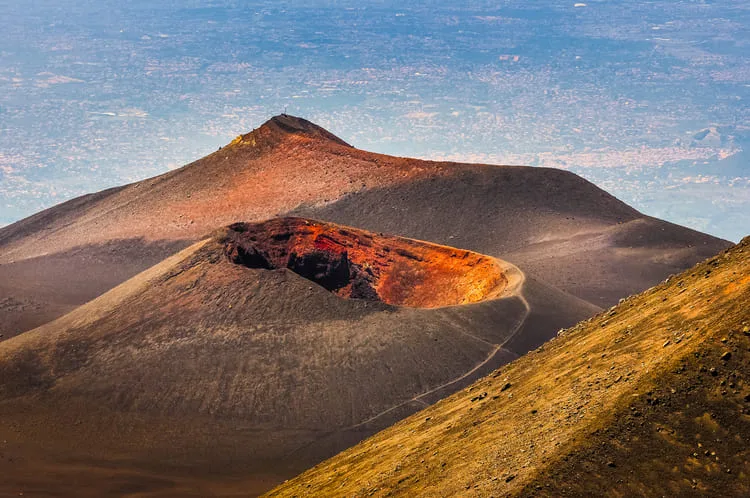
Mount Etna dominates eastern Sicily and is far more than a single volcanic peak. It is a complex environment of lava flows, forests, craters and landscapes that continue to change. Nature parks, walking trails and cultivated areas extend across its slopes, creating a setting unlike anywhere else in the Mediterranean.
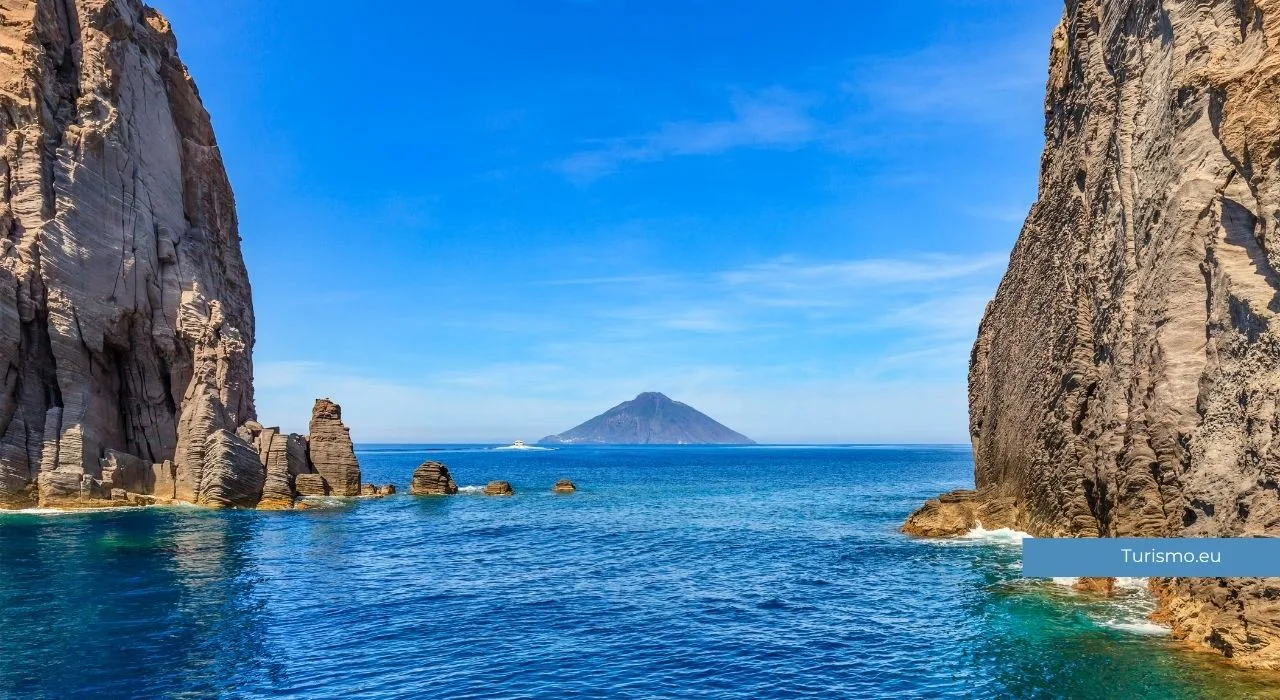
Off the north-eastern coast, the Aeolian Islands reveal another side of Sicily’s volcanic landscape. Each island differs in size, character and relationship with the sea.
Beyond these well-known areas, Sicily has quieter parks and reserves such as the Madonie, the Nebrodi Mountains and the central highlands, where the landscape becomes greener and more mountainous.
These regions require longer journeys and careful planning, but they offer a view of Sicily beyond its most popular routes.
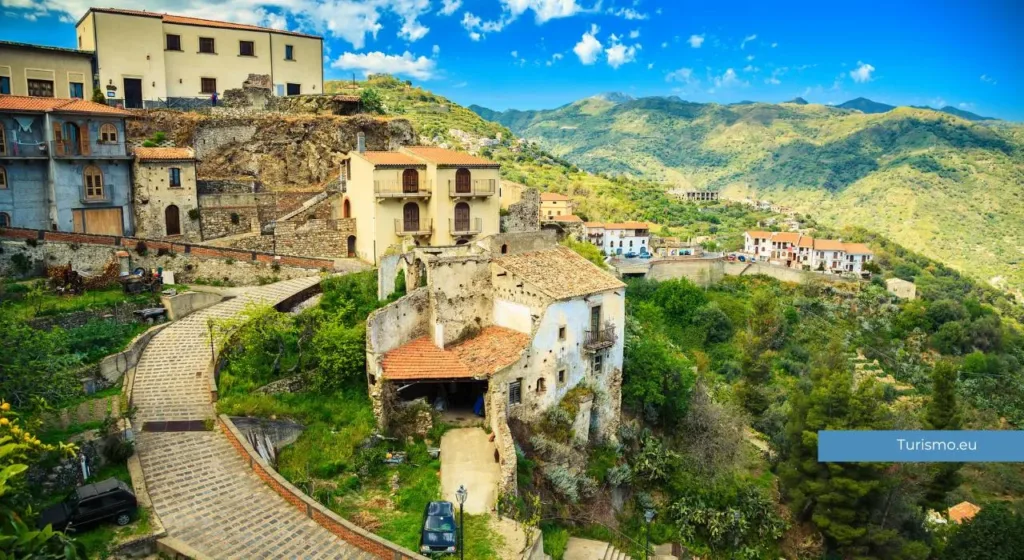
Sicily’s interior reveals a part of the island that is less immediately visible but essential to understanding its complexity.
The landscape becomes more rugged and continuous, with hills, plateaus and small towns connected to an agricultural and pastoral history that is still recognisable.
From the Madonie and Nebrodi Mountains to the central areas of the island, inland Sicily contains villages far from the main tourist routes. Local traditions, religious festivals and regional food continue to play a central role in everyday life.
These places do not usually have a large concentration of major attractions. Their interest comes from the landscape, the smaller towns and the connection with the people who live there.
Including the interior in a journey through Sicily adds a less immediate but more detailed perspective alongside the coast and the cities. It is not essential for every trip, but it is important for travellers interested in understanding the island beyond its most famous destinations.
This part of Sicily is better suited to those travelling with curiosity and enough time to explore it properly.
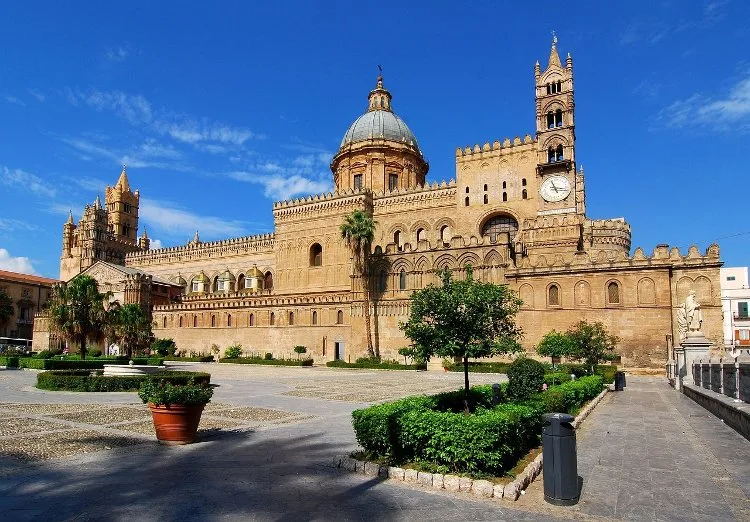
Sicily’s cities often work as entry points and practical bases for exploring the surrounding areas, rather than as completely separate destinations.
Each provides access to a different part of the island, so distances and transport connections should be considered before deciding where to stay.
Palermo, on the north-western coast, is a complex and layered city. It can be used as a base for western Sicily, including coastal areas, nature reserves and historic sites.
Catania lies at the foot of Mount Etna and is a practical starting point for exploring eastern Sicily, combining volcanic landscapes, coastal areas and historic towns.
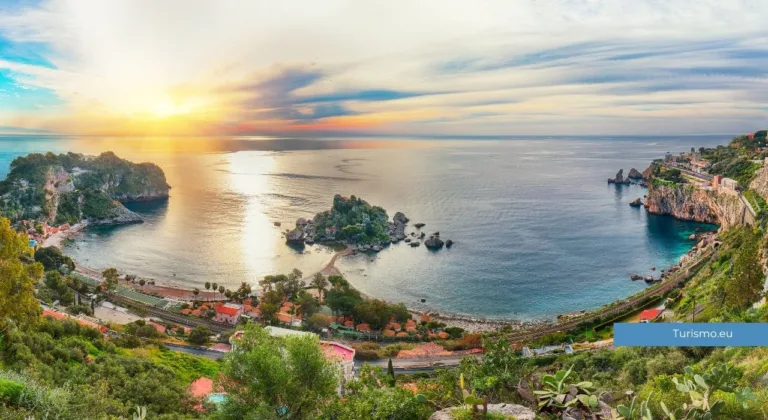
Further north, Taormina and its coastline bring together a panoramic historic centre, the bays of Mazzarò and Isola Bella, and a cable-car connection between the upper town and the sea.
Syracuse is more compact and provides access to the historical and coastal landscapes of south-eastern Sicily without requiring excessively long journeys.
Other cities, including Agrigento, have a more specific role as cultural stops linked to archaeological sites and well-defined historical settings rather than as general bases for exploring a large area.
Choosing the right city as a starting point makes it easier to manage travel times and avoid spending too much of the journey on the road.
Planning a trip to Sicily requires a few initial decisions, mainly because of the size of the island and the variety of its regions.
Spring and early summer offer a good balance between weather and visitor numbers.
July and August are the busiest months and can be extremely hot, particularly in cities and inland areas. They are suitable for a beach holiday but less comfortable for long journeys and urban visits during the middle of the day.
September and October usually retain pleasant temperatures while making it easier to travel with fewer crowds.
Winter is better suited to cities, inland regions and cultural sites. Coastal resorts and services on the smaller islands may be quieter or operate on reduced schedules.
A car is often the most practical way to explore Sicily, particularly outside the main cities.
Rail and bus connections are available, but they do not reach every natural area, village or inland destination. In the larger cities, many central areas can be explored on foot or using local public transport.
Driving also requires planning. Traffic, mountain roads and limited access zones can increase journey times, while parking may be difficult in historic centres and popular coastal towns.
Sicily is large, and travel times can be longer than they appear on a map.
It is generally better to concentrate on one part of the island rather than include too many distant stops in the same itinerary. Combining Palermo, Syracuse and the Aeolian Islands in a short trip, for example, would require considerable time in transit.
Organising the journey by geographical area makes it easier to balance cities, coastline and natural landscapes.
🇮🇹 Regione autonoma insulare
Read our in-depth articles on Sicily.